Fluss und See: A Look at Weimar

Even as a prototype, Matthias Cramer’s Weimar is a sprawling work. Taking cues from Mark Herman’s Churchill and covering the entire span of the short-lived Weimar Republic, how could it not be? This is history that shaped everything about the following century. Few have bothered to learn anything about it.
Before we begin, it should be noted that I’ve played Weimar all of once. Normally my policy is three plays before I’ll write anything, even for previews. With only eleven days left on its crowdfunding clock, its six-hour playtime and four-player complement mean that won’t be possible. These thoughts are only halfway formulated. It’s entirely possible I’ll get something wrong. Still, I want to tell you about it.
Truth Universally Acknowledged

There’s a terrific irony at the heart of A Universal Truth, Patrick Einheber’s strategic game of courtship. Jane Austen did a number on us with Emma and Sense & Sensibility and all the others. The Regency didn’t even last a decade, but it might as well represent an eternal summer, flushed with evening balls and surprise elopements, chilled by spurned advances and declined proposals of marriage, and above all marked by the triumph of true love over the tightly laced bodice of propriety.
A Universal Truth is… not that. If anything, it rears back to give the laces an extra heave.
Sneaking Around Adaptation

It isn’t often that a board game lets me play a video game as “research.” Not that I usually need the excuse. Please, would somebody design Deus Ex: The Board Game. I’m already reinstalling it.
The first clue to David Thompson and Roger Tankersley’s Sniper Elite is that subtitle. You don’t put “The Board Game” on your game unless you’re adapting some other source material. In this case, I knew the material well: Sniper Elite, a video game franchise that’s sophisticated enough to have multiple entries, but trashy enough to have a zombie army spinoff and a slow-mo cam that X-rays enemy bodies while your bullets penetrate and shatter their brains, lungs, and testicles. Don’t fret. They’re Nazis.
Never mind that the principal violence is done to the player’s soul. I’ve now spent twenty-five hours playing Sniper Elite 5, which translates to perhaps twenty minutes of kill-cams in aggregate. My life is not richer for having viewed these snippets, although I’d be lying if I didn’t confess my professional satisfaction for every combination ghost kill / sound mask / eyeball shot that left some Wehrmacht draftee puddling into the grass and his companions none the wiser.
But before we get into Sniper Elite, and what The Board Game does to adapt it, we first need to talk about adaptation itself.
Becoming Mary King
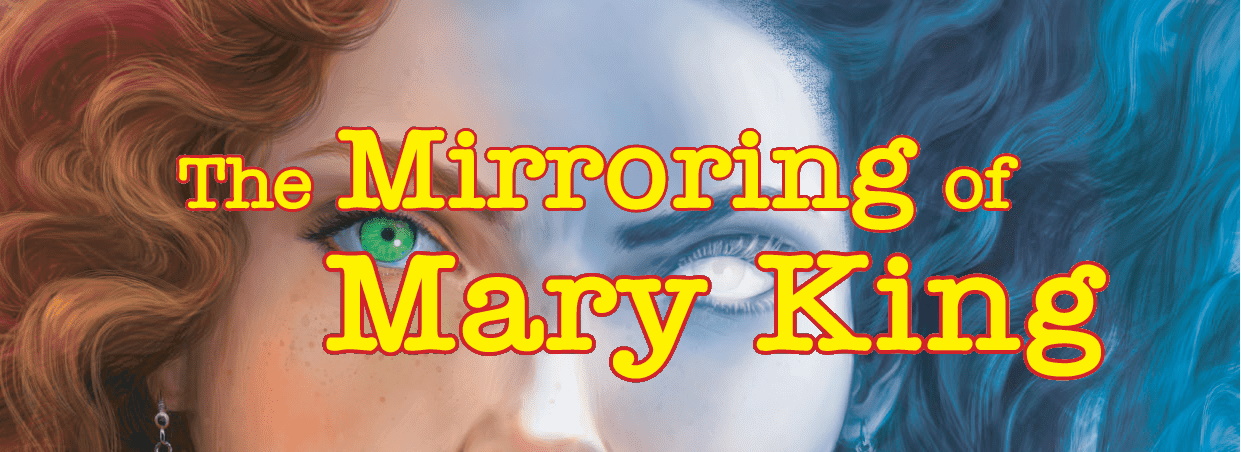
I’ve said it before and I’ll say it again: Jim Felli brings me the weirdest stuff. That should be read in the most positive sense possible. Whether it’s a cannibalistic football match, embittered artists, crumbling great houses, or mile-high frogs, nobody in the hobby is doing anything quite like him.
The same is true of The Mirroring of Mary King. It’s about a woman, Mary King, who is being possessed by a spirit, also named Mary King. Like everything else that passes through Felli’s touch, it feels like a relic from a parallel dimension.
Chaos. Order. Back Together.
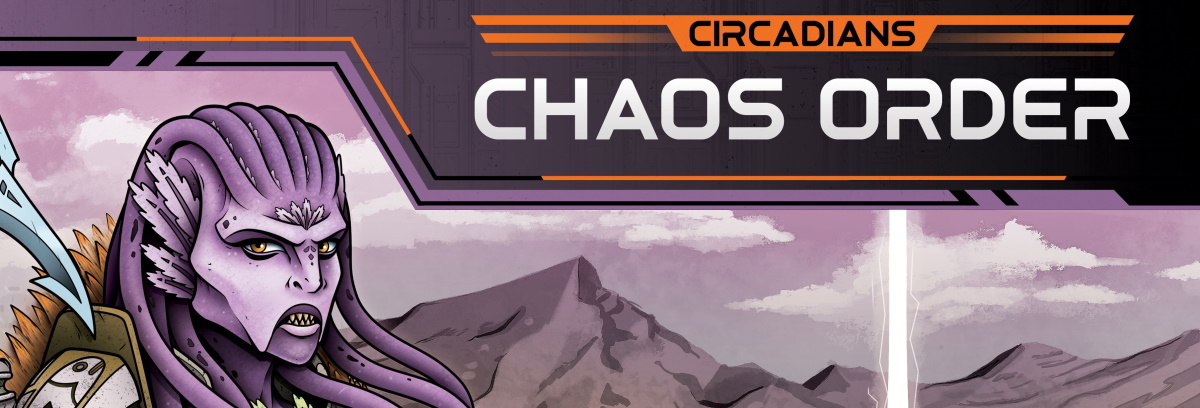
I’ll confess I have no idea what’s going on in Circadians: Chaos Order, the handsome but oh-so-drab title by Sam Macdonald and Zach Smith. Six factions, their skin tones and general aesthetic helpfully color-coded, have gone to war. What are they warring over? What are these strange artifacts? Is this what it would be like to dip into the Marvel Cinematic Universe with Avengers: Endgame? Am I ignorant because I didn’t play the previous title, Circadians: First Light? Must board games have cinematic universes too?
Never mind all that. Klaxons are sounding. Missiles are incoming. We dive into battle — by setting some prices. Booyah.
All Is Bomb Is Bomb

Here’s a scenario for you. The Princess slumbers in her bed. Soon she will awake. What will she want for breakfast? Since she’s a bit of a, well, princess, she will neither wait to be served nor accept anything other than what her rumbly tummy desires most. You summon the breakfast prophets to foretell the proper meal. Except they’ve gone missing. A dozen other matters also consume your attention.
Also, everything is a bomb.
Abstracts Get Political: GoCaine
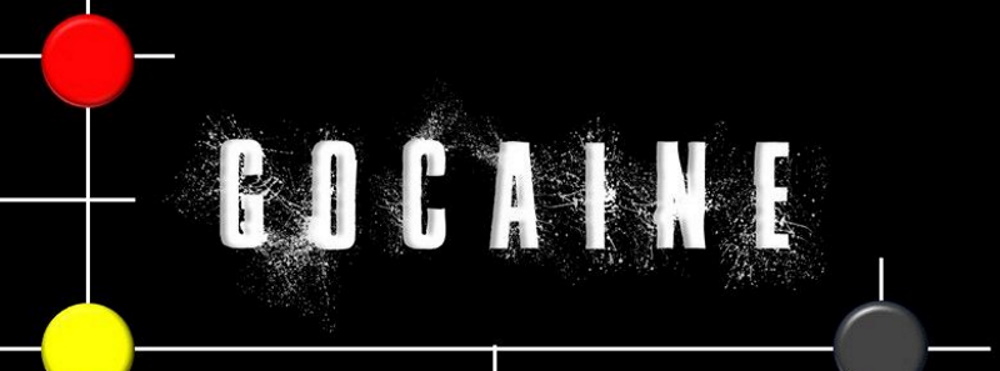
Once in a while, an abstract game steps away from the norm by being overtly political. See, for example, my series on Suffragetto, Guerrilla Checkers, and Paco Ŝako. This isn’t to say that every abstract game with a real-world setting qualifies as political. But if the first thing somebody does when unpacking the game is to pour out a pile of white plastic cubes, scrape them into lines with a credit card, and then wonder aloud about the real-world cost of its weight in cocaine — which is exactly what my friend Geoff did as we sat down to give Richard Nguyen-Marshall’s GoCaine a try —
Yeah. I’m gonna call that political.
An Empty Omen

Look, you already know that John Clowdus’s Omen: A Reign of War is one of my favorite games ever designed. I’d still be lying if I called it a perfect game. It’s very phasey, full of insistent procedures and favored approaches, not to mention being reliant on learning that pool of cards and winning in the pregame draft. If Clowdus announced he was going to redesign Omen from scratch, I’d be over the moon.
To some extent, that’s exactly what An Empty Throne purports to be. Like Omen, this is a Battle Line-alike game about fielding units, comboing powers, and trickling more points into your pool than your opponent. That’s where the similarities end. Foremost because, at fifty-five cards, this thing is lean.
Oh, and there are no phases. An Empty Throne is nothing but action.
Siege of Manatee

Sometimes I wonder why I play games. Not in a terminal sense. I’m not about to kick the habit. Rather, in the sense that certain games, in particular those about warfare or politics or society, are more than mere playthings. They’re possibilities for illumination. I play for enjoyment as much as the next person. But I also play to explore ideas and history.
Amabel Holland’s catalog is rife with such explorations. It’s also full of trifles. That isn’t meant as dismissive. Sometimes, though, the line is blurry, scattering my expectations into disarray. So it is with Siege of Mantua, Holland’s first block wargame, which zooms in on a crucial slice of Napoleon Bonaparte’s campaign to break the first coalition’s efforts against the fledgling French Republic.
Foucault in the Woodland, Part Five: Parasites in the Panopticon
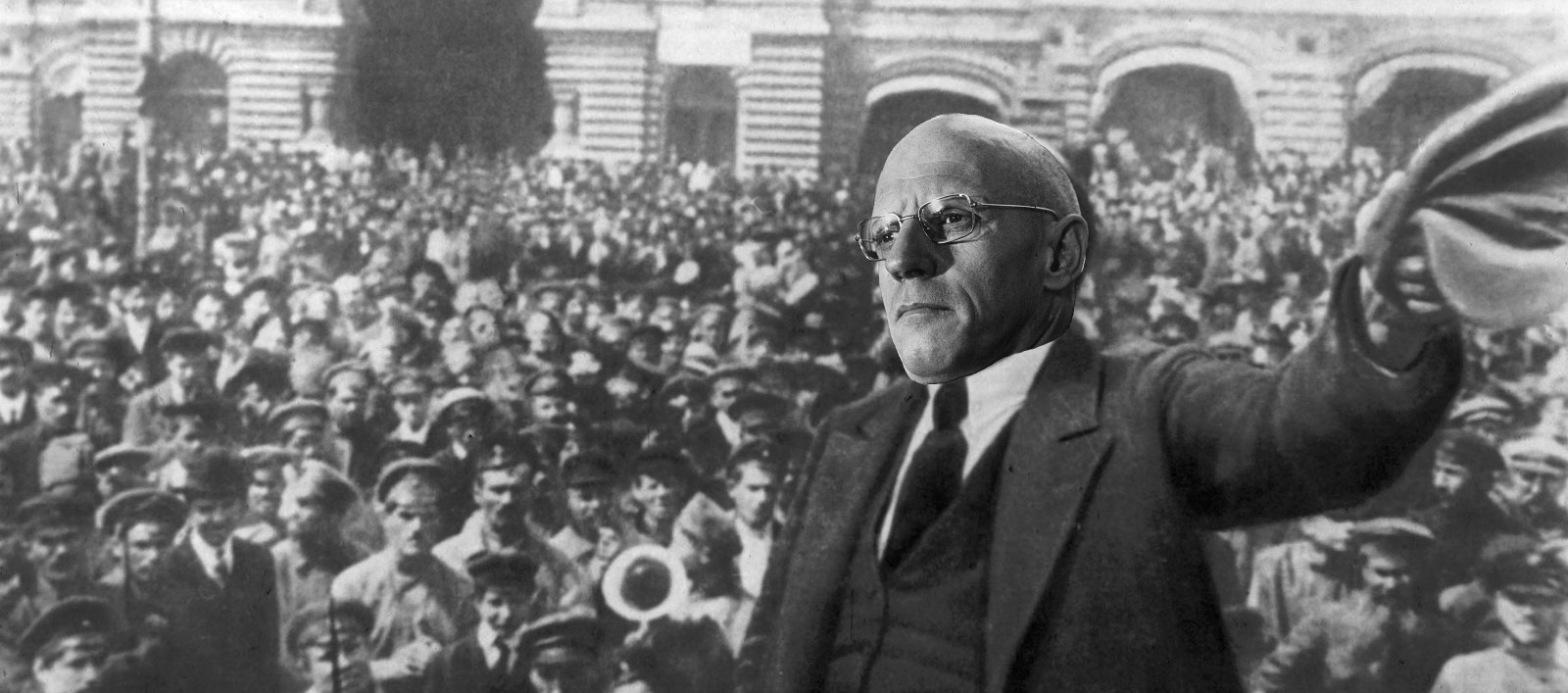
Recap: Across the past four installments, we’ve been talking about power. Specifically, how Cole Wehrle’s Root demonstrates an understanding of power in line with the writings of Michel Foucault.
Except I’ve been making a significant omission. Because Foucault didn’t write only about power. That would have been too clear-cut. He always rendered it as “power-knowledge.” Two intertwined concepts that, once assembled, approximate what he meant when he talked about power. Pardon me, power-knowledge.
Today, we’re delving into why that distinction matters.

 SPACE-BIFF!