Blog Archives
Carceral Draftsman
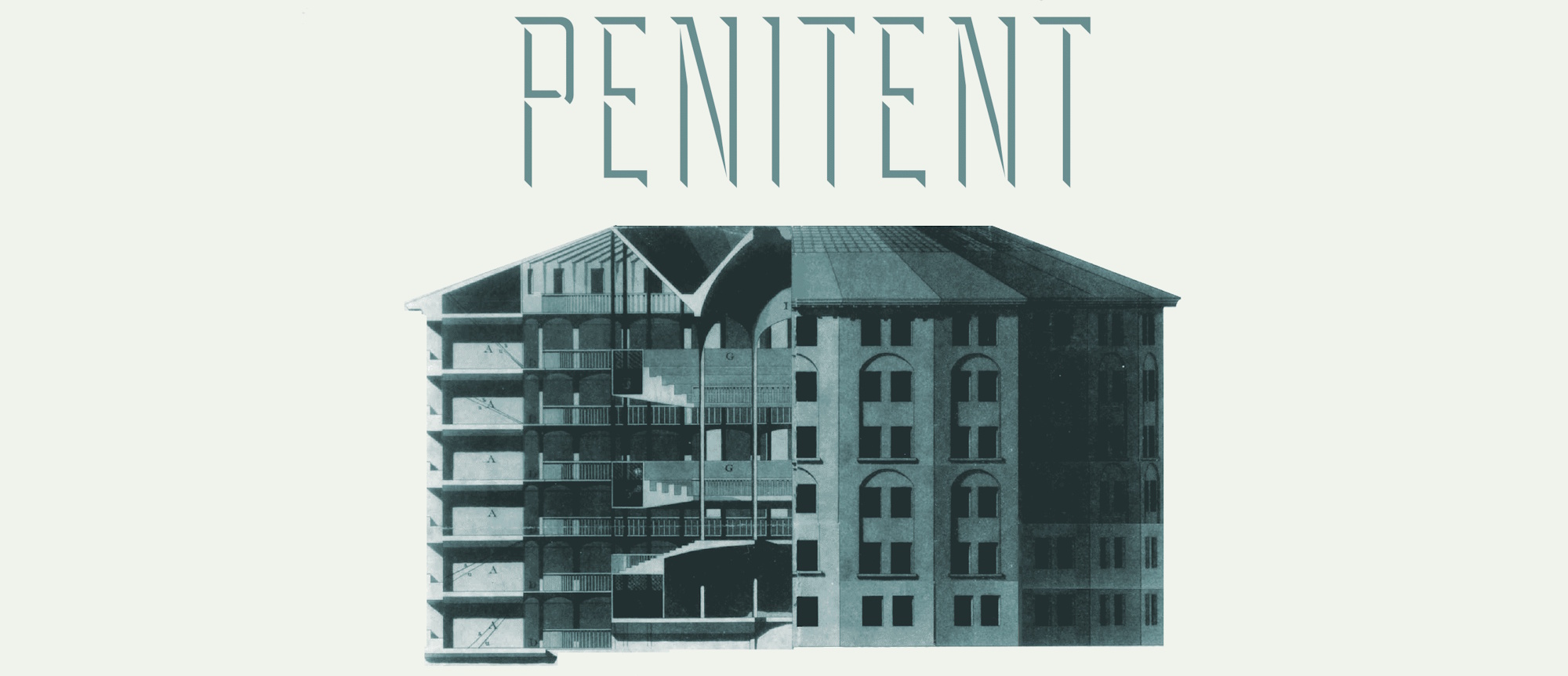
The ‘Enlightenment,’ which discovered the liberties, also invented the disciplines.
That’s the most oft-quoted line from Michel Foucault’s Discipline and Punish, probably because it’s such an apt summation from an author who, let’s face it, preferred discursive barrel-rolls to punchy thesis statements. Liberty and discipline are the topics of Dan Bullock’s latest board game, a term I’m employing loosely but not unfavorably. The game in question is called Penitent, it’s about constructing and managing a prison in the early 19th century in the United States, and it’s either the second or fifth of Bullock’s provocations on the issue of justice, depending on how liberally we stretch the concept.
Vibin’

Ah, solipsism. It’s always appreciated when a board game demonstrates that we exist in shocking isolation, our comprehension of the universe siloed from every other human being, loved ones and enemies alike, by an unspannable gulf. Usually it’s Dixit or Mysterium that performs the winnowing, but there are no shortage of titles for transforming everyday people into miniature versions of René Descartes.
But then there’s The Vibe. Crafted by Jacob Jaskov nearly a full decade after he exploded onto the scene with Fog of Love, The Vibe is… how shall I put this… it contains some really great public-domain artwork. Joseph Ducreux, history’s finest self-portraitist, was a wonderful choice for the cover.
The Old King’s Annulment
No need to bury the lede: as of this morning, The Old King’s Crown is now in funding for its second printing. If you haven’t read my review, the short version is that Pablo Clark’s debut design was a stunning achievement on every level.
Except, ambush!, there’s a second game afoot, and that’s the real target of my interest today. Included as an option for the crowdfunding campaign, Annulet is a card game that ostensibly exists within the broken realm of The Old King’s Crown. What is an annulet, you might ask? Short of being a legal way to divorce one’s spouse without God getting frumpy about it, an annulet is a little ring one might stick on a coat of arms or a pinkie toe. Exactly the sort of paraphernalia you might expect from the well-garbed folk of Clark’s faraway kingdom.
But is Annulet the sort of card game those selfsame weary warmongers would actually splay atop a knife-scored tavern slab? That’s the pressing question.
Re;MATCH One, Two, or Four

It hasn’t been all that long since we took a look at Re;ACT: The Arts of War, an intriguing but imperfect game about various artists manifesting their crafts into the physical world in order to determine which medium is the most artsy of them all. It’s like Bloodsport but with calligraphy versus spray paint versus film stock.
MingYang Lu’s forthcoming followup, Re;MATCH, isn’t exactly a sequel, although its peculiar capitalization and errant semicolon might lend one that impression. Instead, it’s something even better: a match-three game in which one must never, ever match three.
Okay, it isn’t only that, although I’ll confess I find that part amusing.
Flip-and-Curse-That-Stupid-Dragon
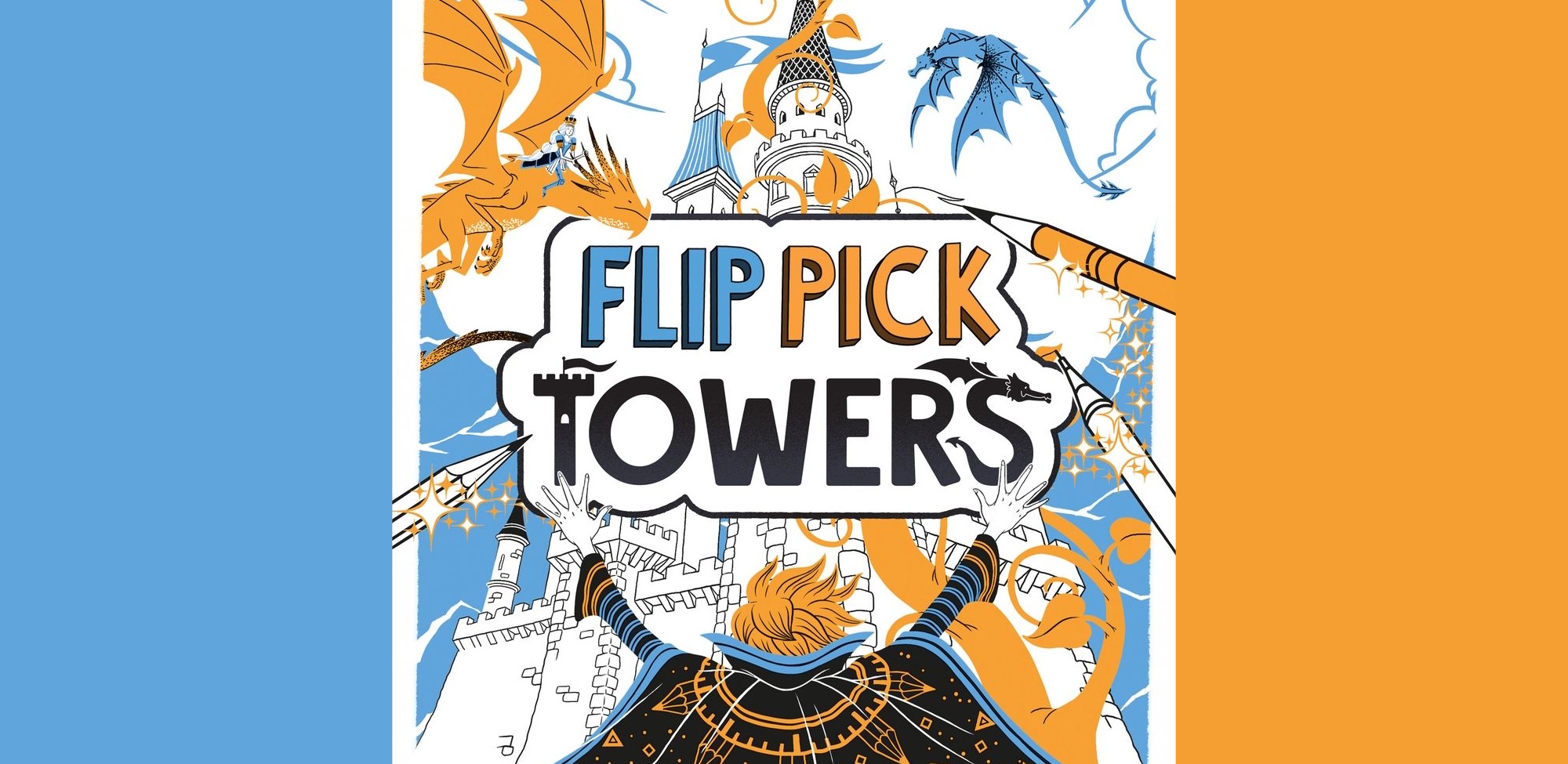
Remember when every other game was a roll-and-write? That was living proof that even golden ages come with cloudy linings. Flip Pick Towers, designed by Rob Fisher and Adam Porter, benefits from its release a few years after the slew of samey writing games. It’s an unrepentant flip-and-write, is what I’m saying, more in the vein of Cartographers than the form’s more mathy alternatives. Some artistic talent won’t go amiss.
For those of us who can’t even sketch a convincing stick figure, however, it’s still charming, albeit not perhaps as compelling as some of the options out there.
Walletbiters
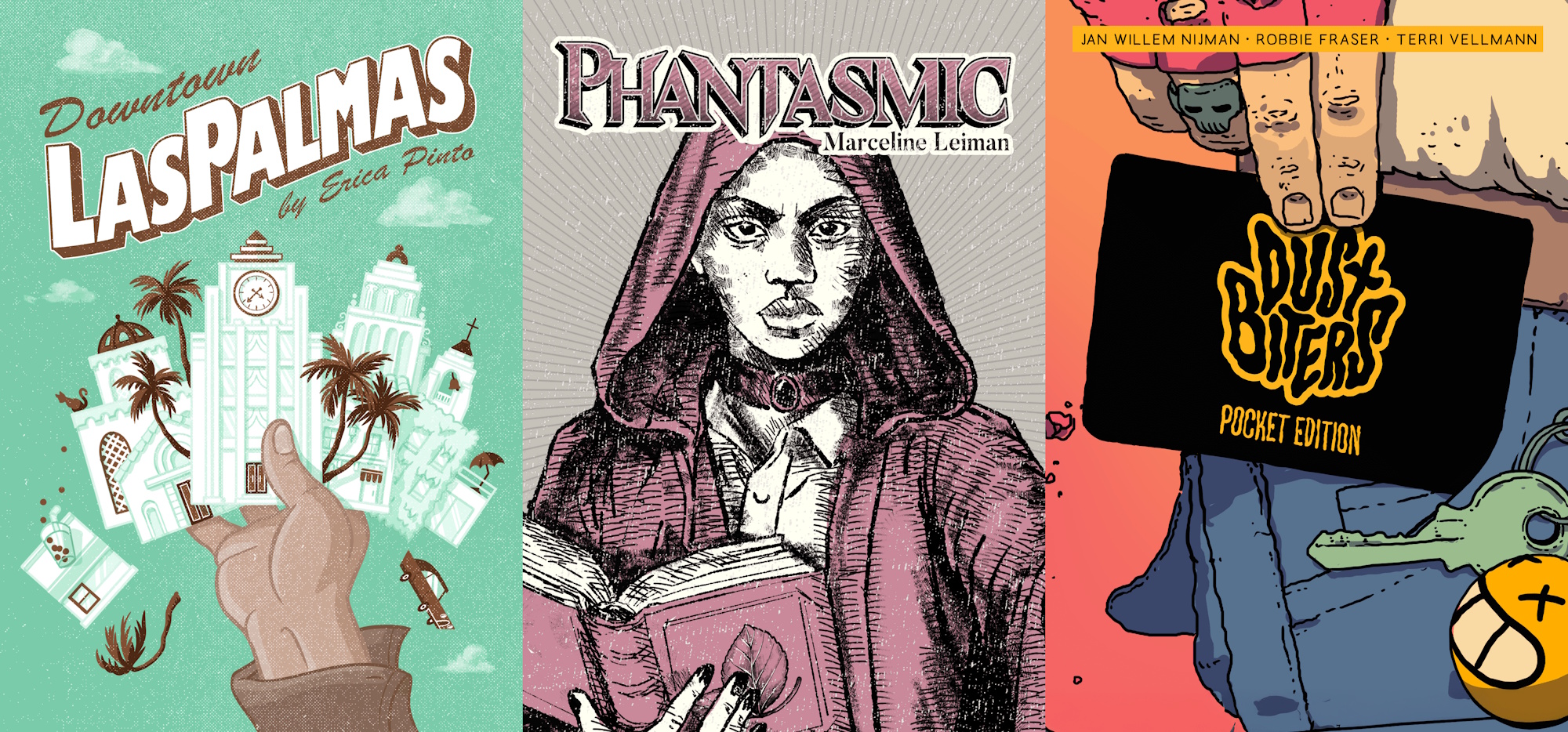
It’s in my nature to appreciate wallets. I own a couple dozen of the things. One for carrying money and eleven-year-old gift cards to defunct smoothie chains, the rest for microgames from Button Shy.
This latest batch includes something experimental, something from a designer whose previous work I’ve loved, and something that’s really just a bigger board game compressed to fit into a wallet. That’s gotta be a home run, right?
Right?
Triple-Triple Omelette Burger w/o Cheese
Sold initially at the Indie Games Night Market, Joseph Z. Chen’s Flip Stack Burger Shack has all the markings of an indie darling: its not-quite-smooth discs look great on the table, the gameplay is tactile and amusing, and it even comes in a bag. (All the best indies come in a bag.) But what I least expected from it was a cerebral puzzle that reduced my brain to onion jam.
Fickle Little Guys
Whenever a new fad mechanism comes around — deck-building, trick-taking, now it seems maybe dominoes might be having a moment — I’m disappointed to discover it isn’t mancala. Because mancala is great. Speaking of which, here’s your annual reminder that Nick Case’s Pilgrim was the most overlooked title of 2023.
Imps was Nick Brachmann’s offering at this past Indie Games Night Market. You’ll never guess where I’m going with this, but it’s mancala! Mancala with fickle little imps!
Yer All Sheeps
For my money — or, all right, for my attention — Blaž Gracar is one of the finest puzzle-makers of this generation. Between All Is Bomb and LOK, I’ve spent countless hours fiddling my way through some conundrum or another, thinking the madman must have left a typo on the page, only to let out an exasperated sigh as, of course, the solution was there all along. Even his lesser efforts, Abdec and Workworkwork, have proved worthwhile.
Herd is his latest project, and its adorable stacking domes bridge the gap between puzzle book and board game. In some ways it’s his most “straightforward” offering. Of course, that still means it’s twisted and full of secrets.
Life, Liberty, and the Pursuit of Board Games
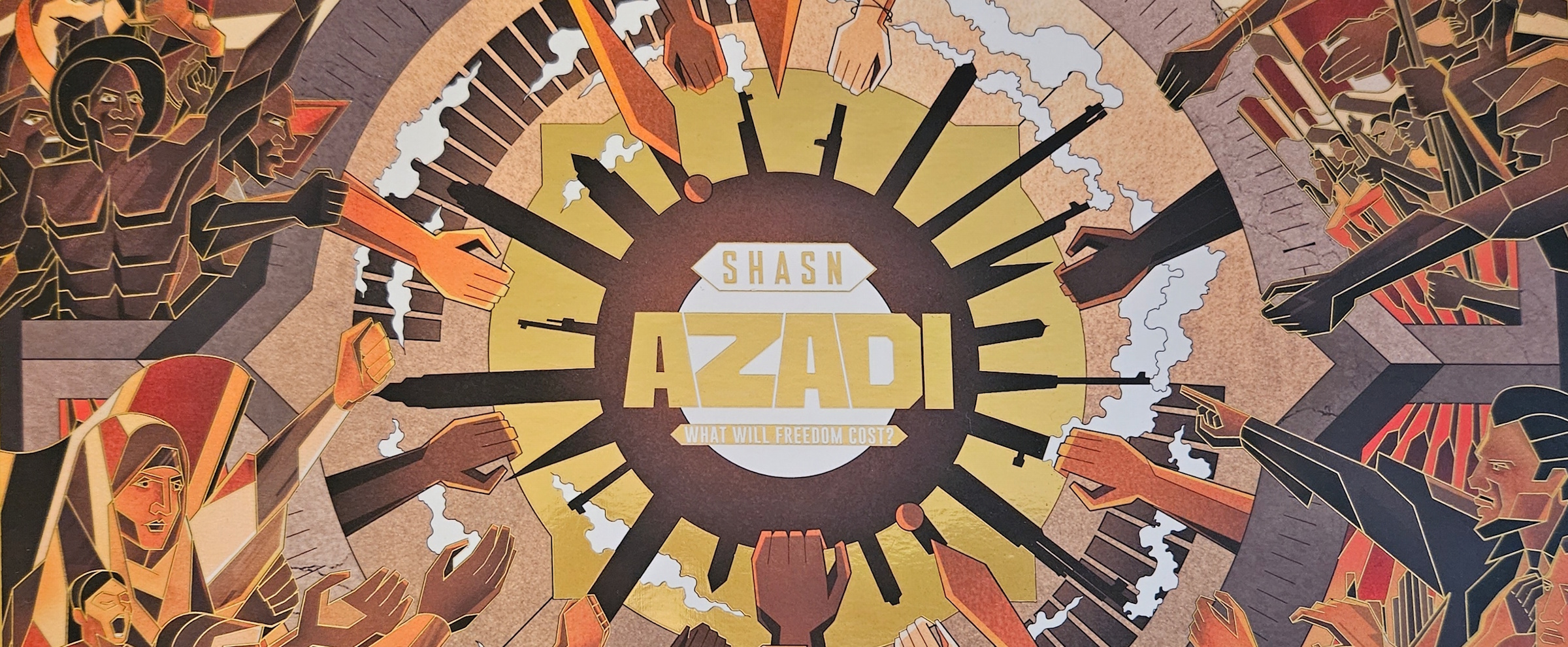
Shasn. Oh, Shasn. Zain Memon’s 2021 board game occupies a strange place in my memory as a vibrant, unsettling, funny, and tonally inconsistent game, and I mean that in the most complimentary sense. At the time, its message seemed to be that politicians are opportunists of the lowest order. And, hey, fair enough. My country is currently ruled by a conman who sells presidential pardons like they’re skincare products. But is that something we need a board game to tell us? I doubt those who haven’t gotten the memo are playing imported board games.
Here’s the thing. Shasn might not have imparted the most insightful message. But Memon has been plugging away at it in the background. Now, together with Abhishek Lamba, he’s released a sequel… expansion… thing. A standalone? Is that the right word? Who knows. Regardless of its proper assignation, Shasn: Azadi is twice as peculiar as the original game. Again, I mean that as a compliment. Mostly.
Settle in. This one’s going to take some doing.

 SPACE-BIFF!