Blog Archives
Best Week 2024! Better Together!

Board games: aren’t they really about family? Friends? Togetherness? Eh, sometimes. But for those times, today we’re talking about the best games of 2024 that thrive on positive human interaction. These are the games that are about sharing experiences with your loved ones. Especially if you aren’t in the mood for anything too competitive.
Best Week 2024! Combined!
Combinations! Good stuff, those. When board games ask us to put things together, a special alchemy occurs. Sometimes we’re even treated to surprising consequences. That’s why today I want to celebrate the year’s board games that ask us to assemble peculiar engines, categories, and words.
Read the rest of this entry
Best Week 2024! Adapted!
Adaptation, the process by which a work is transferred from one medium to another, is a delicate and skill-intensive art, prone to going wrong at either end of its metamorphosis. Licensed games often get a bad rap. Maybe because they’re often bad. But that only makes good adaptations all the more important to celebrate. That’s what we’re doing today. These are 2024’s best adapted board games.
Best Week 2024! Snacked!
2024 has been another incredible year of board games. For the first day of Best Week, Dan Thurot brought to me… the best snacks of the year! These are the titles that pack the most gameplay into each cubic millimeter, the ones that can be carried in a backpack or even a back pocket, the stuff that makes for a perfect day trip.
Pink Mars
Volko Ruhnke’s COIN System sure has come a long way since Andean Abyss. It’s sobering to realize that it’s been twelve years since we stalked the mountains of Colombia for drug cartels and Communist insurgents. The system has always prioritized certain assumptions about adversarial state-building, but now, in its twelfth volume, with multiple spin-offs and grandchildren padding its family tree — not the least of which is Cole Wehrle’s Root — the main series has taken a hard left turn into the speculative. We’re a long way from those history classrooms and CIA factbooks now, grandpa.
Red Dust Rebellion is the first game by Jarrod Carmichael, although we took an early look at his forthcoming Shadow Moon Syndicates a couple months back. For the most part, this project is a surprisingly cozy fit for the COIN Series. Set two hundred years in the future, give or take, the usual geopolitical boundaries have been redrawn thanks to the game’s remote setting, the red planet itself. What’s that phrase about how history doesn’t repeat itself, but often rhymes? Yeah. That. Even thought it takes place 140 million miles away, Red Dust Rebellion is so familiar that it might as well be a roadmap.
The Worms Have Turned
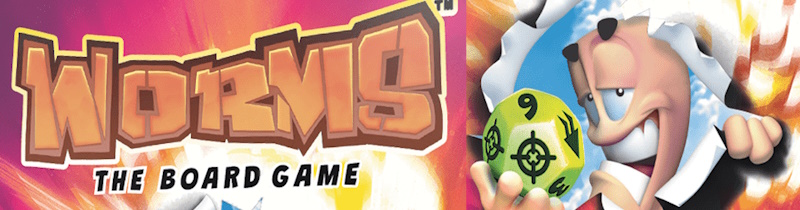
People often ask if I ever get tired of board games. Ninety-nine percent of the time, my response is no, because board games are a bottomless wellspring of joy and creativity.
Then something like Worms: The Board Game comes along to make me reevaluate that answer.
Galzyr? Gals Where?

Cards on the table: despite my affection for Sami Laakso’s Peacemakers: Horrors of War and Dale of Merchants, I still can’t get into Lands of Galzyr, the open-world adventure game he co-designed with Jesús Delgado. Not for a lack of trying. To date, I’ve played this thing one dozen times, mostly with my ten-year-old daughter, who, by the way, recently declared it her favorite board game of all time.
So believe me when I tell you, I’ve tried to like Lands of Galzyr. And tried. And tried.
Finally, a Game for Turophiles
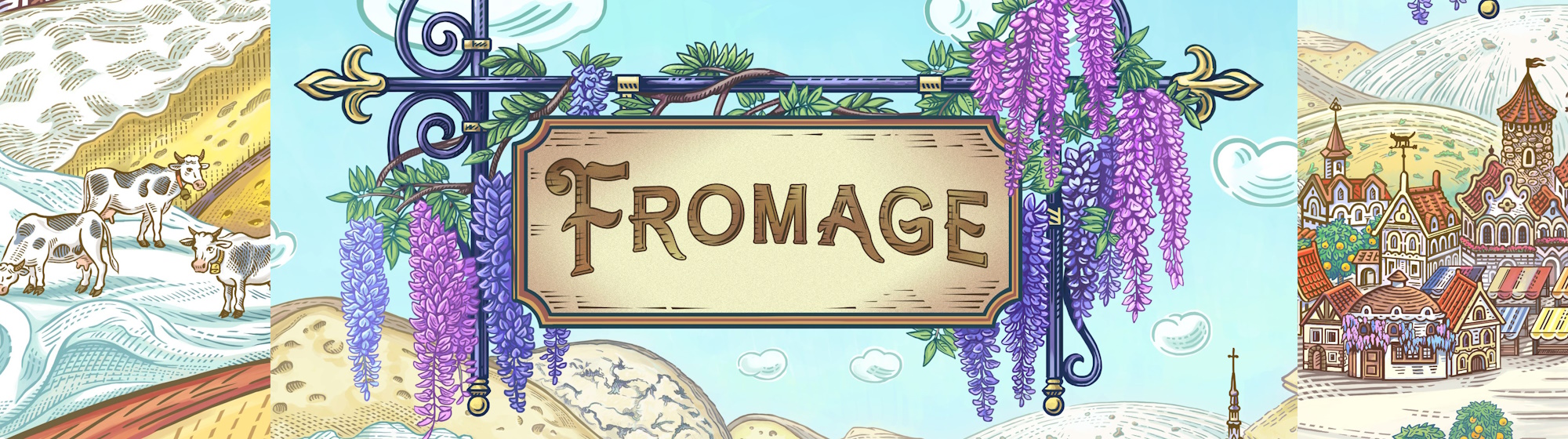
It’s hard to imagine talking about Fromage without a few cheesy puns or some choice selections from my personal cheese journey. Fortunately for you, I’m professional enough to know when nobody needs what I’m peddling.
Fromage is a hot item right now. That might seem silly, but there’s something appreciable about cheese being the topic of the moment rather than zombies or pirates. Designed by Matthew O’Malley and Ben Rosset, it carries undertones of one of their previous games, The Search for Planet X, thanks to its rounded board and considered timing. Despite its creamy appearance, it offers some truly formidable decisions to chew over.
That’s Not Two Minds!
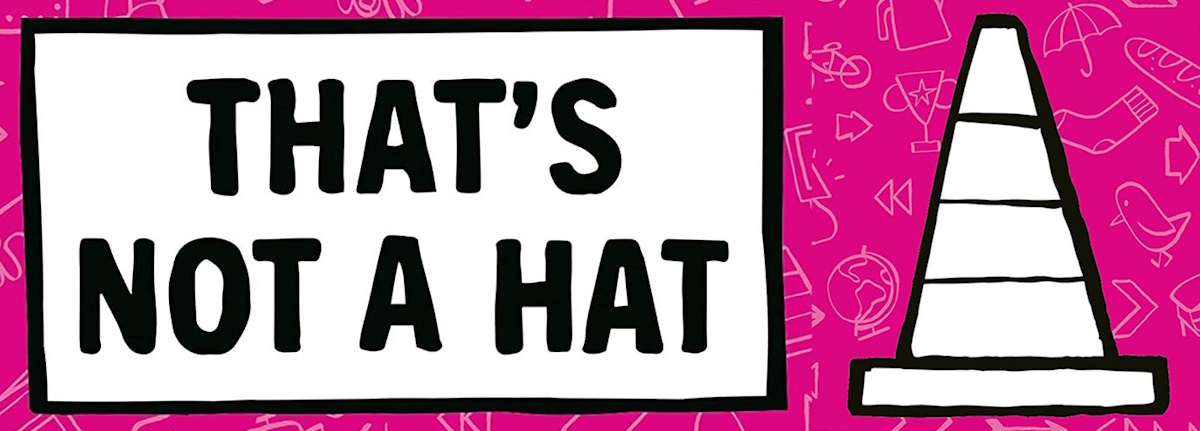
Brock: The long anticipated return of a feature that’s maybe mostly forgotten… We are simply giddy with delight to bring you yet another installment of Two Minds About! How have you spent the two years since last we sparred, Dan?
Dan: Drugs. Also… no, it’s mostly drugs.
Brock: Me? I’ve been bench pressing bloated Kickstarter games and eating bowl after bowl of meeples. I knew this day would come, and I knew I would have to be ready. This time around, we’re looking at a tiny box that gives me some very big feelings: That’s Not a Hat!, designed by Kasper Lapp.


