Category Archives: Board Game
Seeders from Oh So Serious
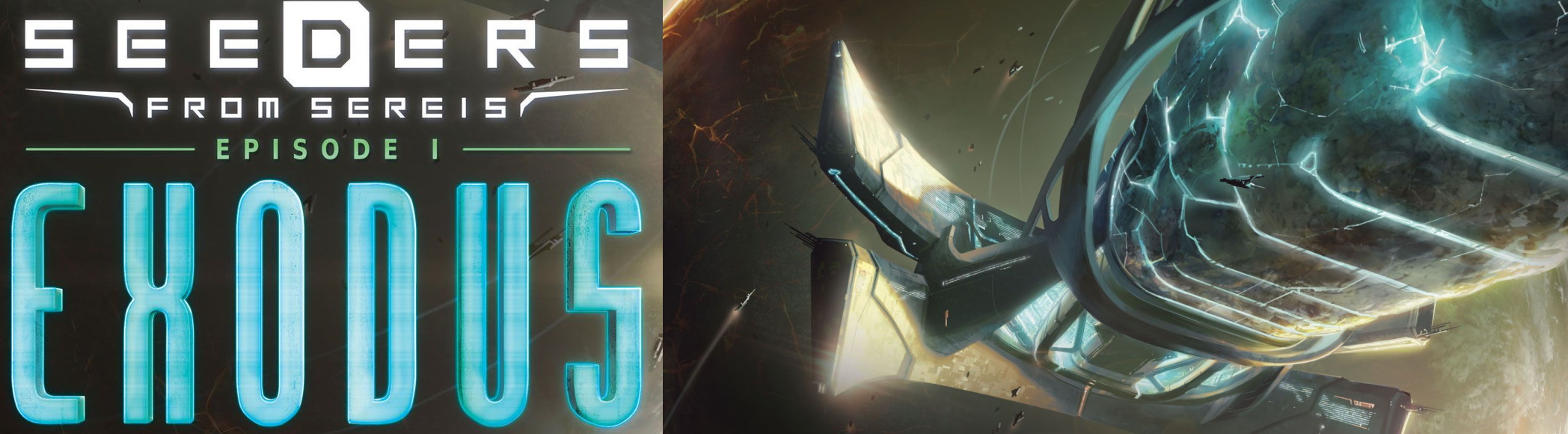
You’ve got to admire the confidence of anyone who slaps “episode one” on their box. That isn’t even the most confident thing about Serge Macasdar’s Seeders from Sereis: Episode I: Exodus. Set in a sci-fi universe that will apparently warrant a total of ten episodes, an impending disaster has forced your people to construct arks to escape to the stars. Each ark is represented by a tableau of cards. Not too unusual. How those cards are acquired, however, is more of a twist.
The Shorts of Tripoli
The Barbary War of 1801-1805 is one of those half-forgotten conflicts, immortalized in the opening line of the Marines’ Hymn — “From the halls of Montezuma to the shores of Tripoli” — but also overlooked in most American high school history courses, possibly due to being sandwiched between the Revolutionary War and the War of 1812. Or maybe it’s because the war’s defining battle only involved eight marines, a tiny figure next to the hundreds of Greek and Arab mercenaries who assisted in the capture of Derne. Or because the particulars of Mediterranean politics aren’t featured on the AP United States History test. “Period 4,” the AP designation for the first half of the 19th century, focuses entirely on westward expansion.
More’s the pity. The Shores of Tripoli is the first release by Kevin Bertram and Fort Circle Games, and it presents the conflict with the Barbary States as an important turning point in American military history.
Not Wastelands, Not Badlands — Radlands

I’m picky when it comes to dueling games. To be clear, not every two-player game is what I’d call a “dueling game.” To qualify, it needs to be snappy, brutal, and not overly enamored with Magic: The Gathering. For years, my preferred favorite has been John Clowdus’s Omen: A Reign of War. Now a stranger has wandered into town: Daniel Piechnick’s Radlands. And while it’s far too early to call this particular duel for one side or the other — ask me again in a couple of years — for the time being, this relationship has reached the puppy love phase.
The Road. No, Not That One.
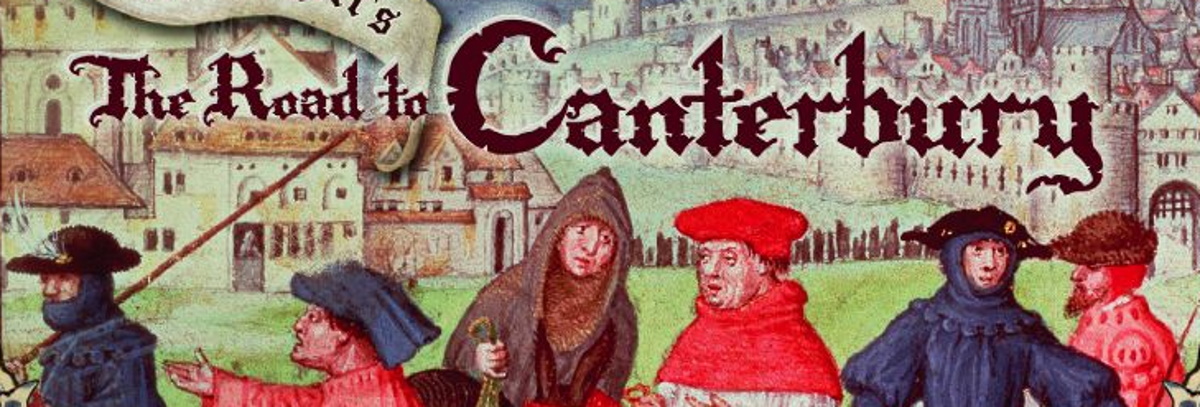
It’s a rare game that can make me laugh out loud. Alf Seegert’s The Road to Canterbury managed it no fewer than a half-dozen times. The setting shoulders plenty of that load. As medieval pardoners, it’s your task to earn some coin from pilgrims as they journey to the shrine of Saint Thomas Becket — except you happen to be the most miserable brand of fraud alive. Everything about you is a fake. Your certificates of pardon, the “sins” you’ve convinced the pilgrims burden their immortal souls, and certainly the furball of Saint Felix you’re passing off as a holy relic. Appropriately, the only score that matters is how many shillings you’ve bilked.
Looney Pyramids, Part Two: Ice Duo

When last we looked at Andrew Looney’s latest production of his pyramid system, the results were spotty. Of the four games included in the introductory Nomids set, only one put the system to good use. The rest relegated their pyramids to glorified counters. Better to heed the advice of Sir Benjamin Wyatt: “It’s all about the ‘mids.”
How does the second set fare? Fifty-fifty. But to put that in context, that’s double the score!
Tickle
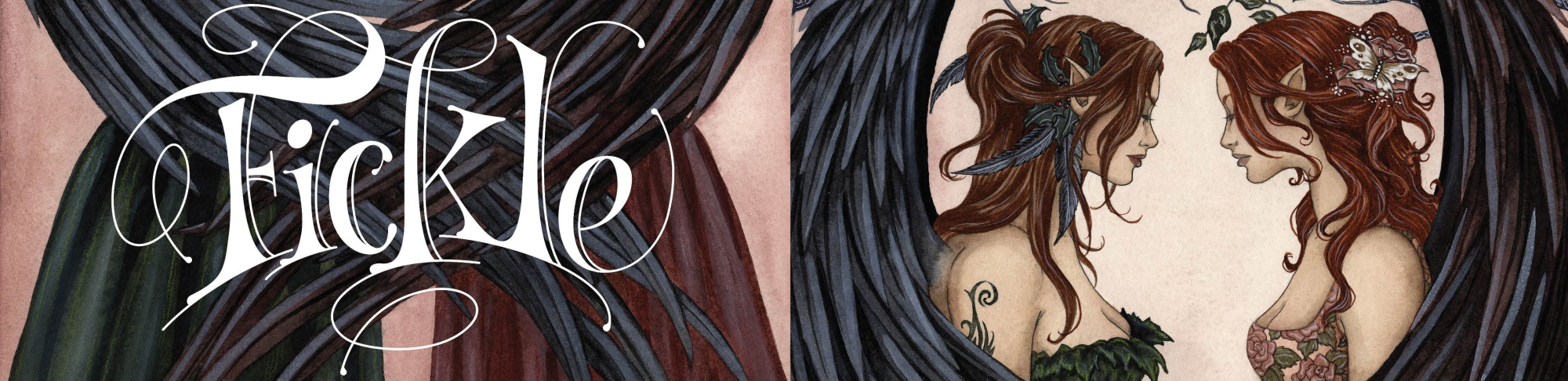
Every so often we encounter a game with objectives that feel totally disconnected from its play. Finicky victory checks, unexpected scoring criteria, weird tiebreakers — more an exercise in deciphering a designer’s intentions than sitting down to compete against some friends.
Glenn Cotter’s Fickle is the polar opposite. Your goals are always crystal clear. More than that, everybody else’s goals are clear, too. The trick is keeping your cards in place long enough to attain them. Talk about appropriate titles!
Roll and Move

In this age of remote plays and digital implementations, it’s sometimes easy to forget that board games are pieces as much as they’re rules or settings or half-filled boxes hogging up more than their fair share of shelf space. Take John Clair’s Cubitos, for example. The absolute best part of Cubitos is handling its massive handfuls of dice. That isn’t faint praise. Cubitos knows what it does best. Which is why you’ll throw so many handfuls of dice that you place yourself at elevated risk of repetitive strain injury.
Talking About Games: Scope & Relevance

Let’s begin with a question. Imagine two different board game settings. The first is a goofball portrayal of piracy, complete with silly names, outrageous violence, and plenty of plunder. The second is a goofball portrayal of colonialism, complete with silly names, outrageous violence, and plenty of plunder.
Which bothers you more?
Everything Is Illuminated
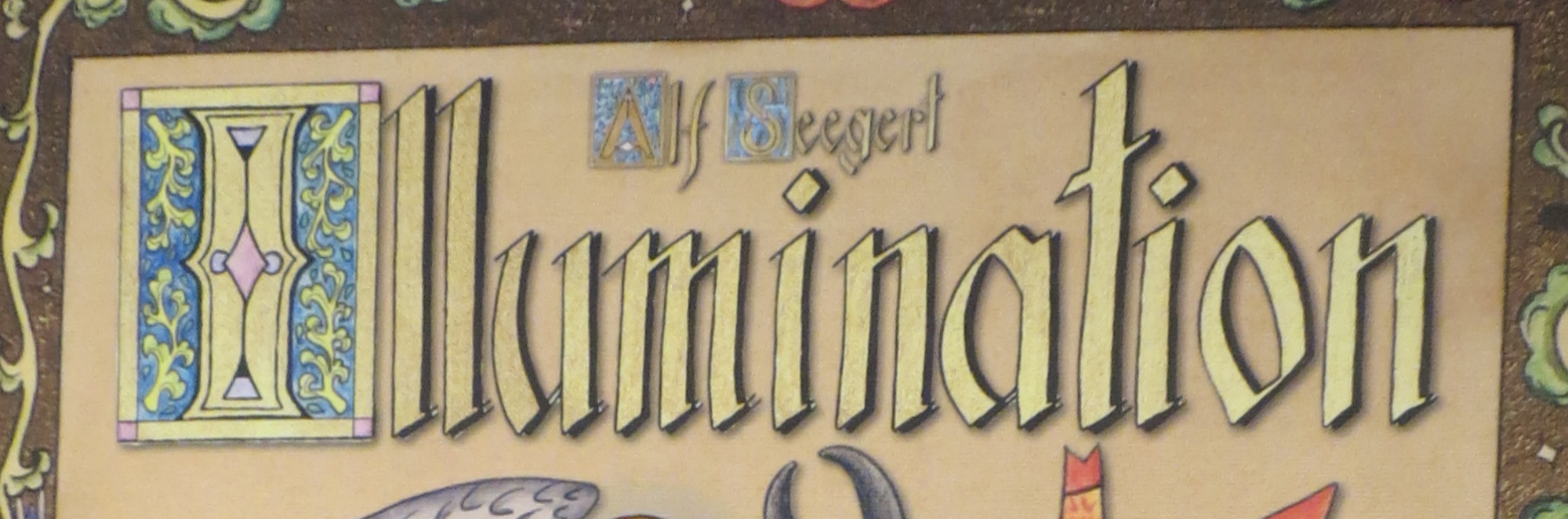
There’s something remarkable about holding an illuminated manuscript. It isn’t just the work itself, the artistry, the history leafed onto the pages. It’s the additional histories that crowd around the first. The scribbled notes. The stain of a fingerprint. The places where the paint has worn thin from dozens of fingers brushing the image of Jesus, or where a self-righteous fingernail has censored Eve’s privates.
Or the killer rabbits warring in the margins.
In true dedication to the apostils of history, Alf Seegert’s Illumination is about the latter. Two monks, one upstanding and the other irreverent, passing the days via the mortal contest of ensuring that their illustrations will endure for an age. How do they conduct this contest? By pitting rabbits against monks, squirrels against hounds, demons against angels. Naturally. How else?
Forty Fathoms and a Chicken of the Sea

It’s not that I’ve forgotten Flotilla exists. I’ve just forgotten what you do in it. Something about diving for resources and then trading them? Ships that hold barrels? Colors without meaning?
Apart from its wallpaper, Seastead doesn’t have much to do with Flotilla. It wasn’t even designed by the same duo. Jan Gonzalez and Ian Cooper are on the job, and they’ve gone out of their way to make this foray into Flotilla’s waterlogged world more memorable than the last. They even assigned names to the resources.

 SPACE-BIFF!