Author Archives: Dan Thurot
The Worms Have Turned

People often ask if I ever get tired of board games. Ninety-nine percent of the time, my response is no, because board games are a bottomless wellspring of joy and creativity.
Then something like Worms: The Board Game comes along to make me reevaluate that answer.

Galzyr? Gals Where?

Cards on the table: despite my affection for Sami Laakso’s Peacemakers: Horrors of War and Dale of Merchants, I still can’t get into Lands of Galzyr, the open-world adventure game he co-designed with Jesús Delgado. Not for a lack of trying. To date, I’ve played this thing one dozen times, mostly with my ten-year-old daughter, who, by the way, recently declared it her favorite board game of all time.
So believe me when I tell you, I’ve tried to like Lands of Galzyr. And tried. And tried.
Finally, a Game for Turophiles

It’s hard to imagine talking about Fromage without a few cheesy puns or some choice selections from my personal cheese journey. Fortunately for you, I’m professional enough to know when nobody needs what I’m peddling.
Fromage is a hot item right now. That might seem silly, but there’s something appreciable about cheese being the topic of the moment rather than zombies or pirates. Designed by Matthew O’Malley and Ben Rosset, it carries undertones of one of their previous games, The Search for Planet X, thanks to its rounded board and considered timing. Despite its creamy appearance, it offers some truly formidable decisions to chew over.
That’s Not Two Minds!

Brock: The long anticipated return of a feature that’s maybe mostly forgotten… We are simply giddy with delight to bring you yet another installment of Two Minds About! How have you spent the two years since last we sparred, Dan?
Dan: Drugs. Also… no, it’s mostly drugs.
Brock: Me? I’ve been bench pressing bloated Kickstarter games and eating bowl after bowl of meeples. I knew this day would come, and I knew I would have to be ready. This time around, we’re looking at a tiny box that gives me some very big feelings: That’s Not a Hat!, designed by Kasper Lapp.
Journeys in the Dark
All I play anymore is trick-taking games. Now and then, fortunately, one of them catches my fancy.
This month’s example is David Spalinski’s Torchlit. A self-published production, and so far only sold at this past weekend’s Indie Games Night Market alongside titles such as High Tide and Out of Sorts — which I wasn’t able to attend, but by all accounts was a resounding success — this is as close to a hybrid trick-taker as one gets without actually tipping over the line.
All Welrod and Good

Every so often I have the opportunity to play what I call an enhanced choose-your-own-adventure game. Not unlike Edward Packer’s beloved children’s series, these are games about making narrative decisions and seeing how they play out, usually with a lot of “turn to page 101” and “turn to entry 344.” The “enhanced” part comes in when these choose-your-own-adventures include tabletop elements from outside the book itself, such as dice rolling, action points, or a story sheet to keep track of narrative consequences — the most recognizable example being, naturally, Steve Jackson and Ian Livingstone’s Fighting Fantasy series.
Right up front, here’s my declaration: Dave Neale and David Thompson’s War Story: Occupied France is easily the best of these titles I’ve played. Full stop.
Some Rando Viking

Cards on the table, I have no idea who this Thorgal fellow is. Child of the stars? Some rando Viking? In need of a shave? Apparently he’s the main character of a Franco-Belgian comic book. Until I played Joanna Kijanka, Jan Maurycy Święcicki, and Rafał Szyma’s board game, I wasn’t even aware that there were Franco-Belgian comic books.
But that’s the impressive thing about Thorgal: The Board Game. Its alt-history world is so vibrant, its rough-handed characters so vividly drawn, its gameplay conundrums so compelling, that it hardly requires any introduction at all.
The Fellowship of Bill the Pony
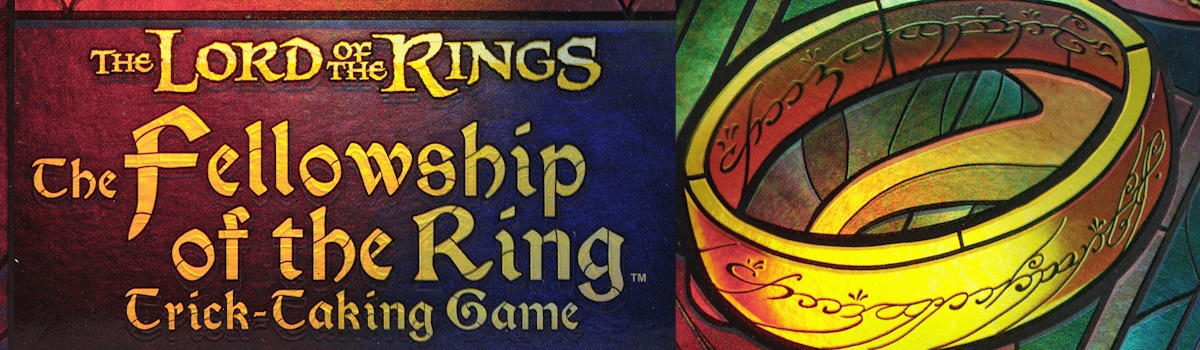
I’m a sucker for unabashed enthusiasm. The Fellowship of the Ring: Trick-Taking Game, designed by Bryan Bornmueller, is brimming with the stuff.
As you might have gleaned from the title, this is a trick-taking game set in the world of The Lord of the Rings. Except, scratch that, Bornmueller has wisely narrowed his scope to Tolkien’s first volume. This affords him some breathing room. Rather than taking us on a whirlwind tour of the entire trilogy — or all six books, if we want to be pedantic about it — Bornmueller drills down into what makes The Fellowship of the Ring so gripping in its own right. Yes, Tom Bombadil makes an appearance, alongside Goldberry, poor forgotten Glorfindel, and Farmer Maggot (now more than a menacing scythe). Even Bill the Pony is a playable character.
Cate’s 2024 Holiday Board Game Guide
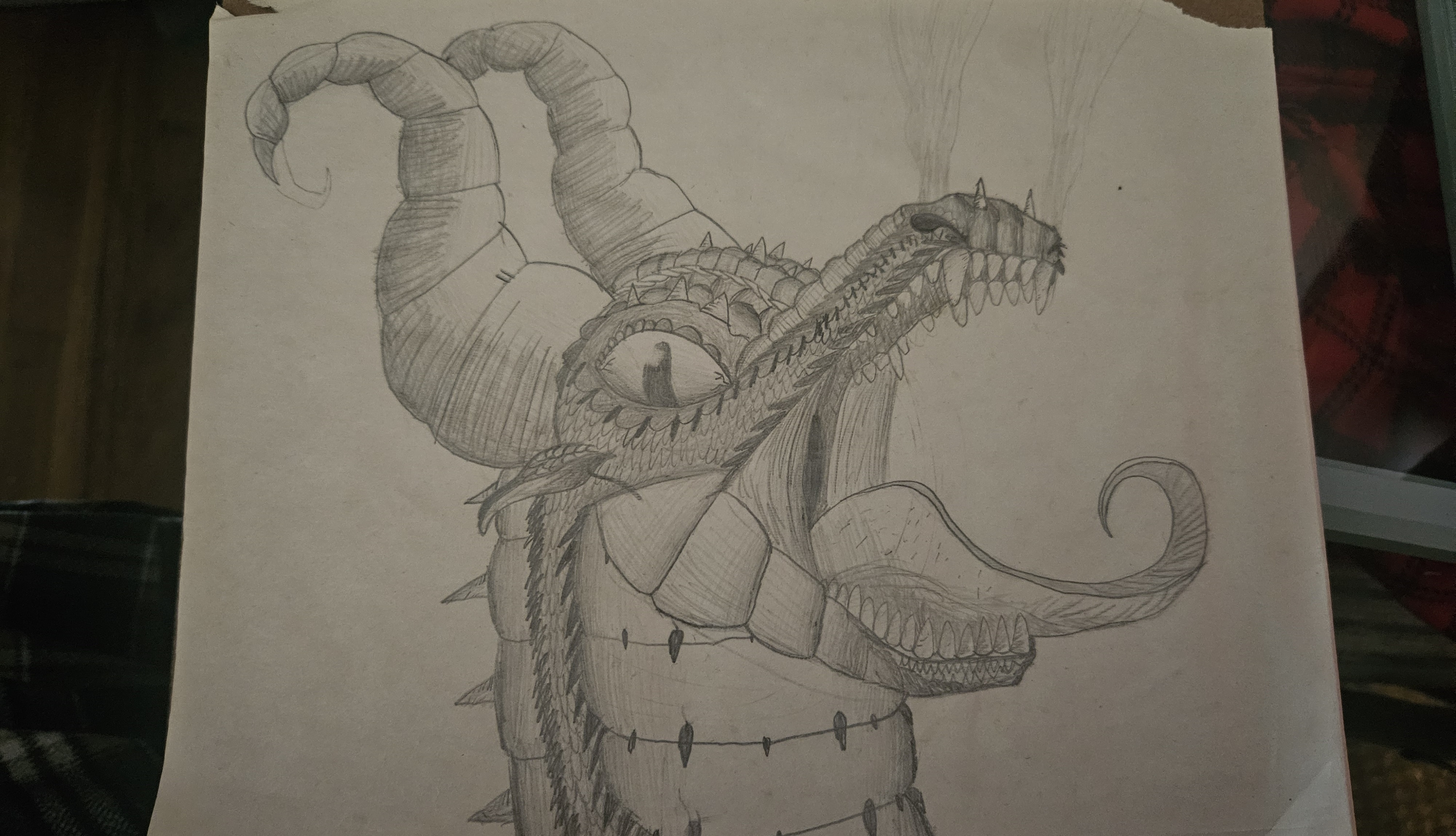
Hi! This is Cate, Dan’s kid. I am ten years old and these are my ten favorite games.

 SPACE-BIFF!