Blog Archives
Monopoly Ruins a Great Train Robbery

Early in the rulebook for The Glasgow Train Robbery, designers Eloi Pujadas and Ferran Renalias — whose names you might recognize from fashion dueler The Battle of Versailles — clearly spell out their stance on the 1963 train robbery that is the topic of their game. “The Glasgow Train Robbery is a board game inspired by historical events,” the disclaimer reads. “It does not intend to glorify crime or violence.”
Look, I’ll just come out and say what we’re all thinking: Unlike Pujadas and Renalias, I absolutely intend to glorify robbing a train full of cash. That’s the coolest and most morally correct action a human being can take. Yes, people were hurt. Yes, property was stolen. But the only villain here is Monopoly. That’s right, the board game. Without it, the heist would have been successful.
Queen of Lies
I’ve said before that Salt & Pepper Games is doing some of the finest work in the industry, especially when it comes to historical titles that draw in newer and veteran players alike. Queen of Spies pairs Liz Davidson with David Thompson, who produce a handsome, if uneven, solitaire perspective on resistance and spycraft in the Great War.
Opera Is Danger
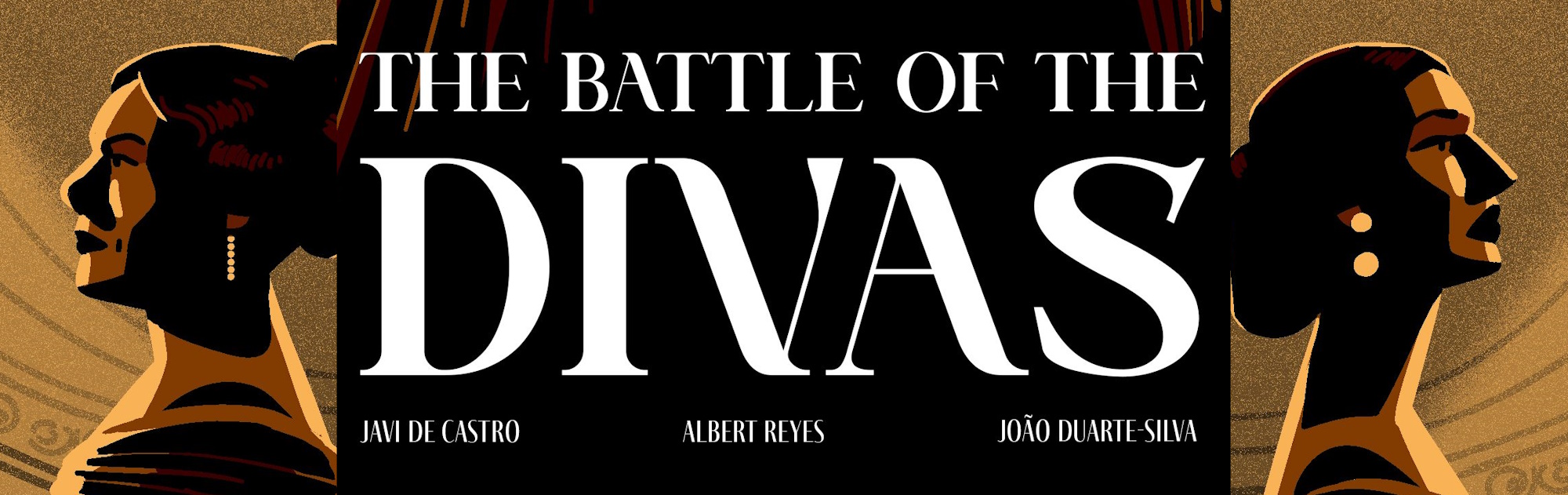
Last year’s The Battle of Versailles was a revelation, treating the world of high fashion as seriously as combat, and in the process teaching me something about an art form I’d always regarded as frivolous.
Here’s a piece of good news: apparently Versailles did so well that it’s now the basis for an entire series. For its first sequel, The Battle of the Divas by Albert Reyes, the topic is opera, a form I’ve never considered frivolous so much as impenetrable. But in Reyes’ hands, the lifelong feud between Maria Callas and Renata Tebaldi becomes gripping, a tale of self-mastery, success and setback, and hitting those high notes.
Also cattiness. So much cattiness. It’s good that Divas is leaning into what made Versailles so playable.
Conclave: The Board Game
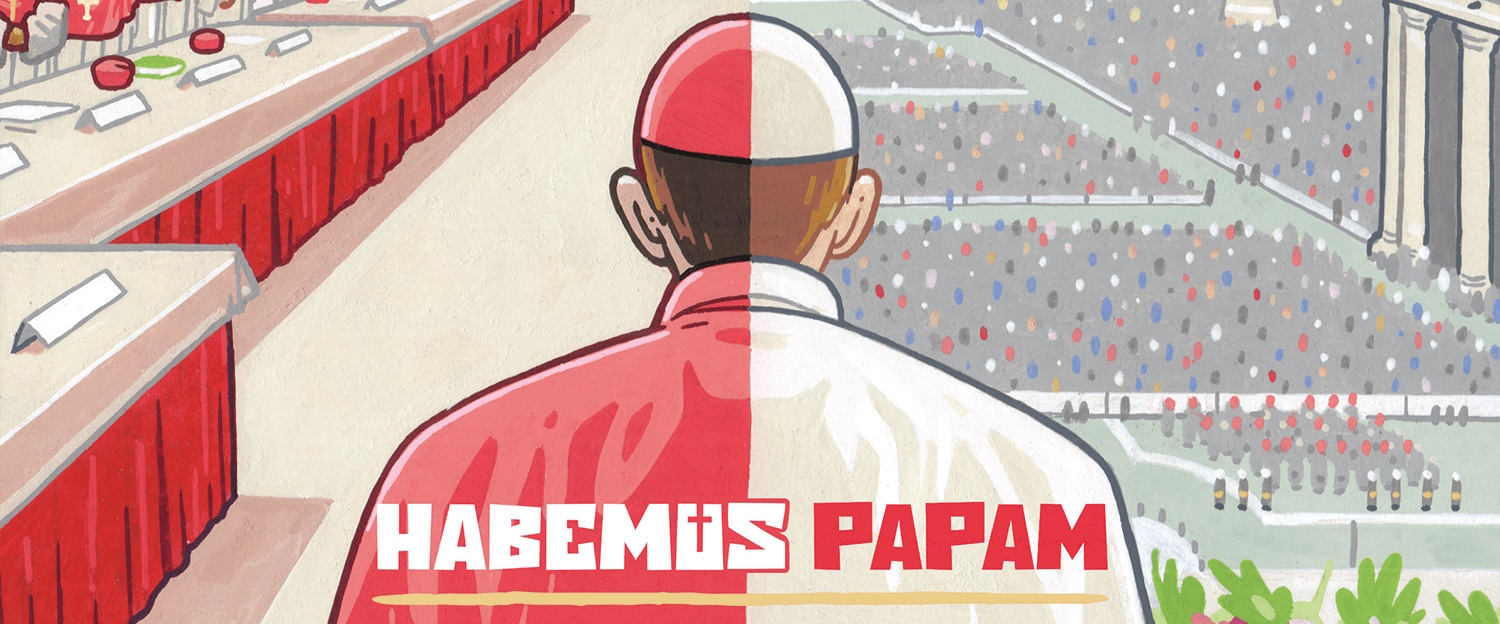
It’s wild that Conclave, the award-nominated movie about papal electioneering, Vatican secrets, and Ralph Fiennes’ preference of regnal epithets has only been out for a few months and already it’s getting a board-game tie-in.
Okay, okay. I swear I won’t turn this into a review of Conclave.
Habemus Papam is the work of Pako Gradaille, whose forthcoming Onoda fascinated me with its solitary gameplay and ethically sticky protagonist. Unlike that game’s antisocial tendencies, Habemus Papam is strictly communal, casting players as members of the Roman Curia tasked with selecting the next pope. It’s an intriguing, if sometimes wobbly, little thing.
Space-Cast! #42. The Twilight Cardboard

On today’s Space-Cast!, we’re joined by Pako Gradaille to discuss his recent board game Onoda, about the Imperial Japanese officer who continued to wage the Second World War for nearly thirty years on the island of Lubang. Along the way we discuss why Gradaille was drawn to Hiroo Onoda, how board games can express alienation and discomfort, and both the necessity and perils of ambiguity in art.
Listen here or download here. Timestamps can be found after the jump.
On Banditry
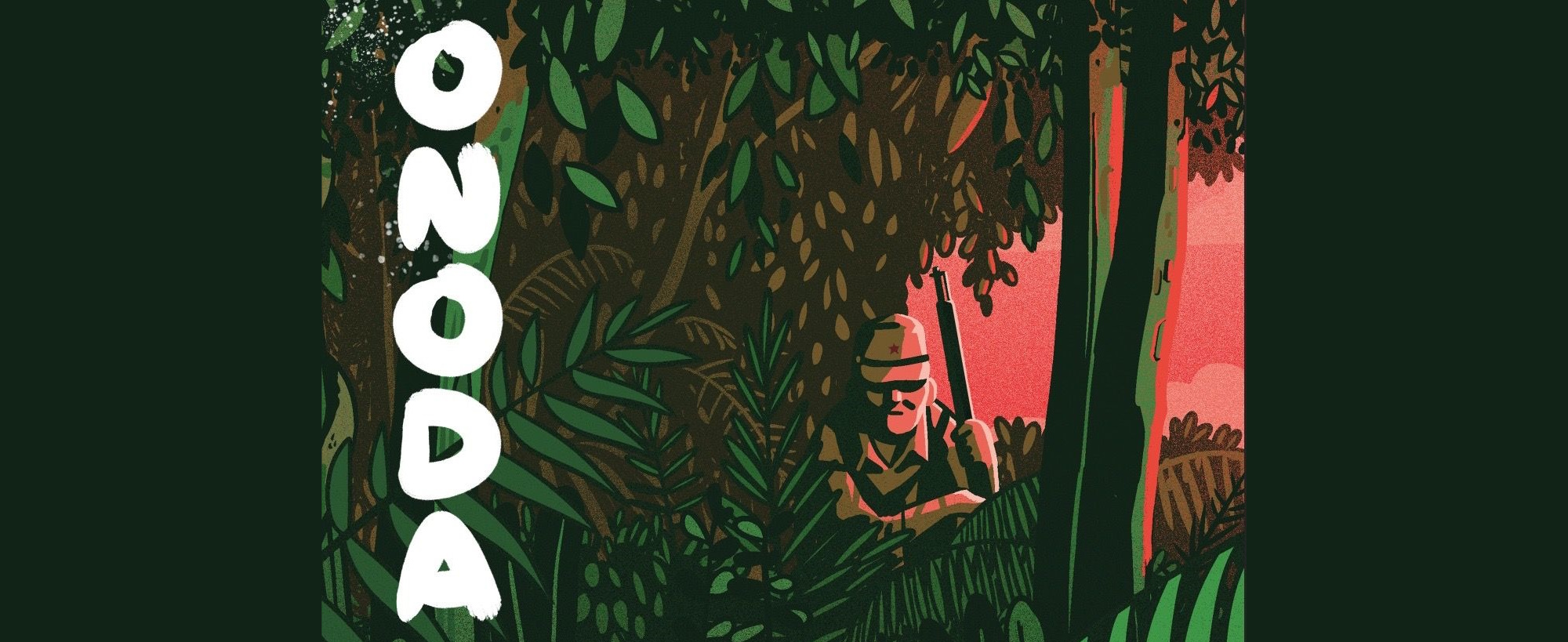
In 1944, during the height of the Second World War, a young intelligence officer named Hiroo Onoda was deployed to Lubang Island in the Philippines. Only two months passed before American and Philippine Commonwealth soldiers retook Lubang. Yet Onoda continued to fight, first with a trio of companions and eventually on his own, until in 1974 he was ordered to stand down by the same superior officer who had commanded him to continue the fight at all costs. When he surrendered his sword and rifle to President Marcos, Onoda became the second-longest holdout of the Imperial Japanese Army. He had been fighting for nearly thirty years.
Onoda’s story has taken on legendary proportions. His autobiography, No Surrender: My Thirty-Year War, was an international bestseller. German director Werner Herzog authored a fictionalized account in The Twilight World; French director Arthur Harari co-wrote and shot a film, Onoda: 10,000 Nights in the Jungle. These depictions were many things: poetic, darkly humorous, paeans to duty and masculinity and tenacity. Also, they were carefully scrubbed of the thirty murders Onoda’s band had committed against civilian farmers.
Now Onoda is a board game by Pako Gradaille. Like previous tellings of Onoda’s story, there’s a certain degree of credulity to Gradaille’s version of events. In a surprise twist, however, in cardboard this story has finally received a more complicated, tentative, and morally textured accounting.
Float or Flounder
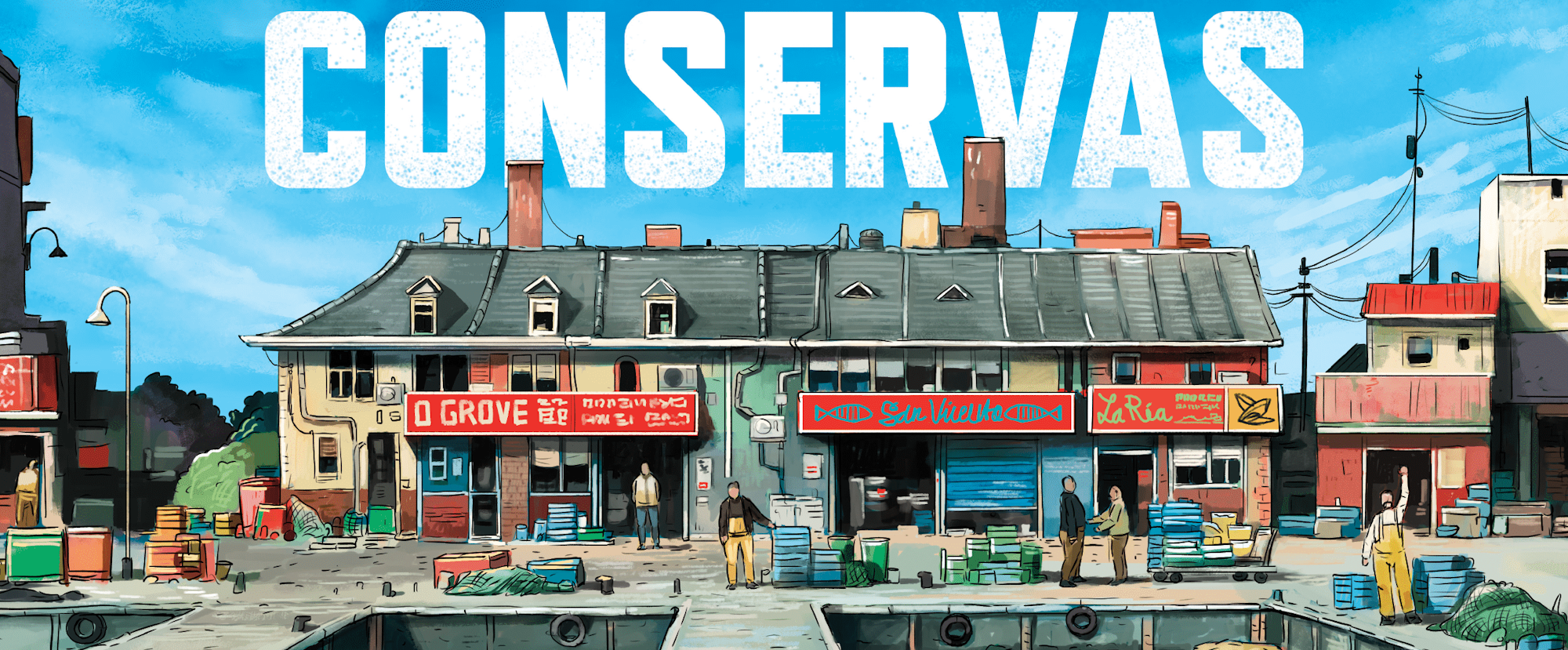
Tinned fish! Potted pulpo! I know so little about conservas that I can’t tell whether it’s a staple or a delicacy. In Scott Almes’ hands, it’s more of a double-edged pun, both a commercial enterprise and a matter of survival. In this solitaire game, you take on the role of a tinning factory. Your goal is to land and sell conservas — but not so much that you overfish the sea and leave yourself unable to operate next season. As such, there’s a delicate balance to be struck between your needs right now and the promise that tomorrow can be just as rich as today.
Chuck Me in the Ocean
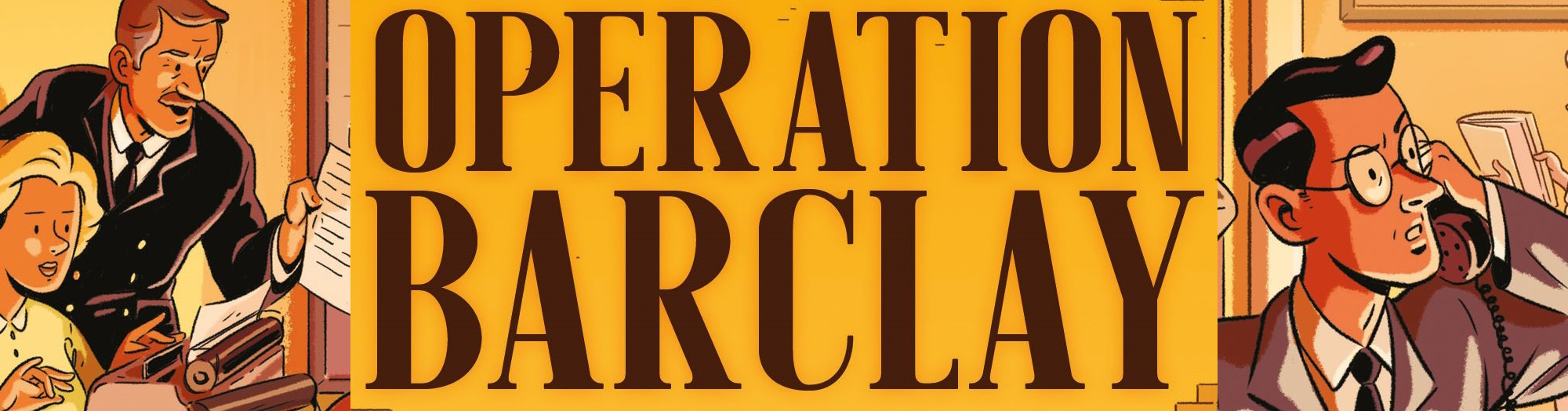
In 1943, to mask the upcoming invasion of Sicily, the Allies undertook a massive intelligence project. Called Operation Barclay, it included a number of smaller projects. The most famous of these, Operation Mincemeat, dumped a corpse with falsified information off the coast of Spain. Others included an inflatable landing force indicating a landing zone in the Balkans and increased resistance activity in Greece. The German High Command fell for the ruse, diverting ten divisions and the Italian navy eastward.
Now Maurice Suckling has turned this landmark deception into a board game. Operation Barclay is the latest in Salt & Pepper Games’ catalog of unusual wargames, following up on Resist!, The Hunt, and The Battle of Versailles. It’s the most abstract, most teachable, and least grounded of the bunch, for better and for worse.
Fashion Is Danger
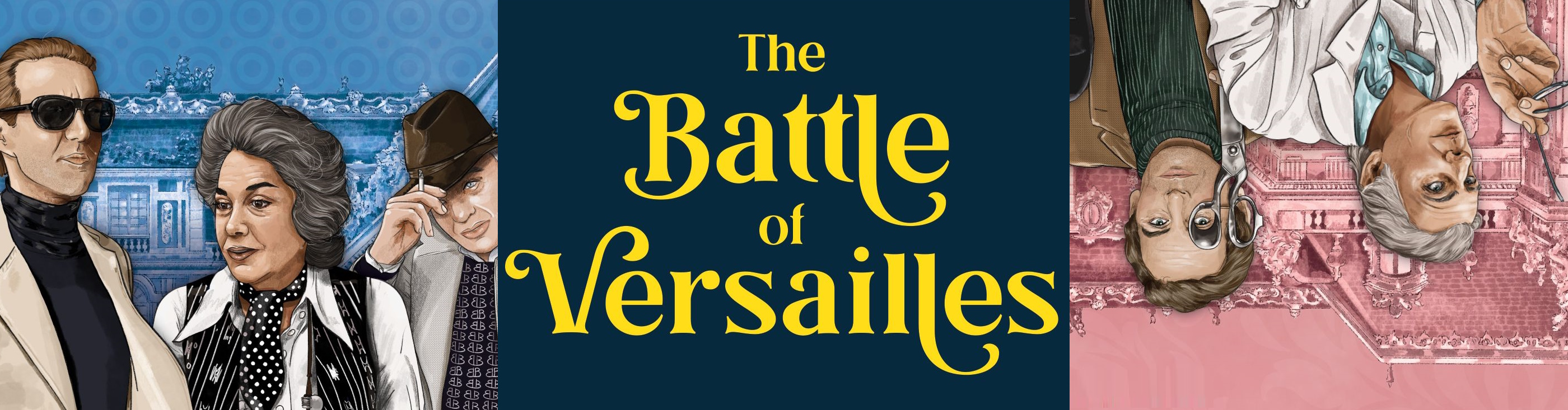
I had a revelation yesterday. After publishing my review of fashion game Couture, one reader asked if I had mentioned my ignorance of the topic as a form of hedging, perhaps to distance myself from something that might be considered “girly.” After all, one recalls how Prêt-à-Porter, the fashion industry game by Ignacy Trzewiczek and Piotr Haraszczak, was derided by some as unworthy of attention because it wasn’t “serious.” Serious, of course, meaning manly. Like war, trains, stock trading, and painstakingly accessorizing a paper doll cutout for a dungeon dive.
But when I think back, I’m not sure I’ve ever thought of fashion as dominated by women. To me, dressing women in outfits and having them glide down the runway for a crowd’s viewing pleasure always seemed rather male-oriented. Still, the question made me realize something. While fashion has never struck me as inherently feminine, I have always thought of it as frivolous. Much like Anne Hathaway’s character in The Devil Wears Prada scoffing over the false choice of two near-identical belts, fashion inhabited my mind as an expensive pursuit for people with more money than sense.
Until I played The Battle of Versailles.
Something Familiar This Way Comes

Madrid-based publisher Salt & Pepper Games has been on a roll lately. I hesitate to say that the secret sauce behind both Resist! and The Hunt was the visual work of Albert Monteys, not least because both would have been impressive even had they been illustrated by crayon. Honestly, though, it’s the art that catches the eye. There’s a humanity to Monteys’ work that breathes life into his subjects, whether they be dueling captains or ragged insurgents.
Or a coven of witches in Salem-adjacent New England warding off evil while placating the local judges. Designed by David Thompson, Trevor Benjamin, and Roger Tankersley, Witchcraft! is the follow-up to Resist! In many ways, it’s a familiar outing. In others, it’s an improvement.

 SPACE-BIFF!