Blog Archives
Return to Return to Dark Tower

I’m wary of expansions. Doubly so when it comes to expansions for adventure games. Back in its heyday, Fantasy Flight Games couldn’t resist the temptation to overload any successful title with additional cruft. New decks, new characters, new sideboards. Shudder. So many sideboards. After a couple expansions, setup became so daunting that it was easier to leave it all in the closet.
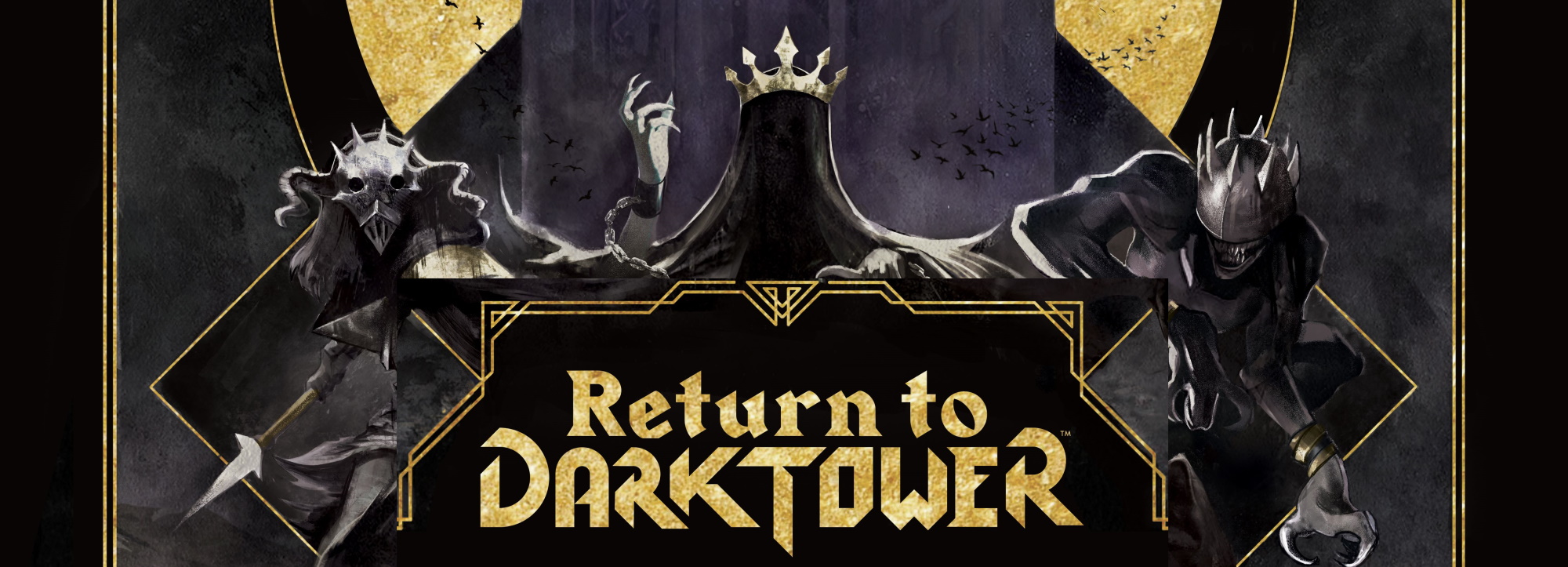
So when Alliances and Covenant, the first two expansions for Return to Dark Tower, showed up on my doorstep, I was both excited and apprehensive. No small measure of the original remake’s appeal was its dedication to a streamlined experience. Would the addition of new stuff be the accidental conclusion of my love affair with Return to Dark Tower?
I shouldn’t have worried. As usual, the crew at Restoration Games has a preternatural understanding of what makes games tick. What follows are three ways that these expansions, in particular Covenant, get it right.
Gimmick’s Got Game
I didn’t grow up playing many board games. In our household they fell into three camps. There were classic games like Risk and Monopoly, also known as “boring games.” There were the complicated multi-session games my friend Brent played, which required more investment than my periodic visits could provide. And there were demonic games, those that might rupture the fabric of reality like a turgorous pimple and allow the devil’s hordes to pour into our plane. These included ouija boards and face cards.
But then, in between episodes of Duck Tales, a commercial showed me something new. In vivid colors and a thespian’s voiceover, it boasted of something that was as much a mountain of plastic as it was a game. It was mechanized. It made sounds. Its turbulence was part of its gameplay. I had to have it.
That game was Forbidden Bridge. Its commercial was seared in my memory. That Christmas, it became my first encounter with gimmick-as-gameplay.

 SPACE-BIFF!