Blog Archives
Space-Cast! #42. The Twilight Cardboard

On today’s Space-Cast!, we’re joined by Pako Gradaille to discuss his recent board game Onoda, about the Imperial Japanese officer who continued to wage the Second World War for nearly thirty years on the island of Lubang. Along the way we discuss why Gradaille was drawn to Hiroo Onoda, how board games can express alienation and discomfort, and both the necessity and perils of ambiguity in art.
Listen here or download here. Timestamps can be found after the jump.
On Banditry
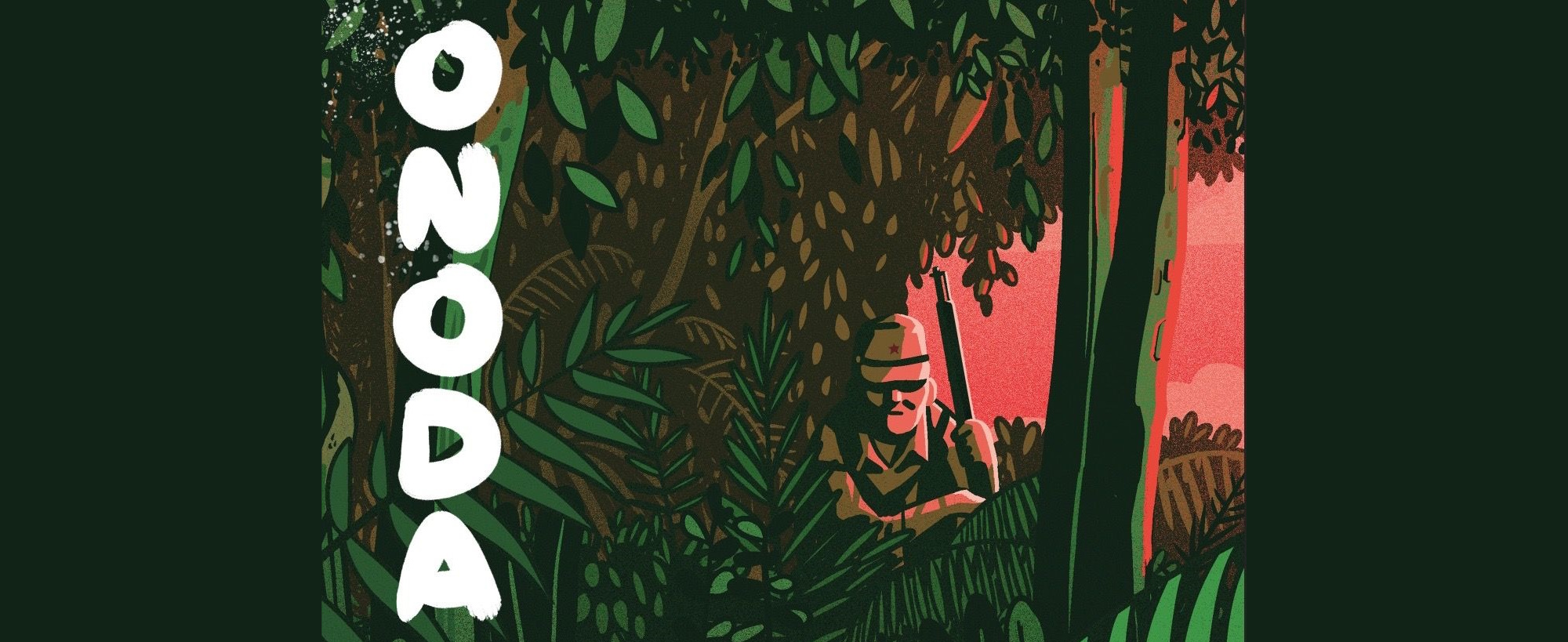
In 1944, during the height of the Second World War, a young intelligence officer named Hiroo Onoda was deployed to Lubang Island in the Philippines. Only two months passed before American and Philippine Commonwealth soldiers retook Lubang. Yet Onoda continued to fight, first with a trio of companions and eventually on his own, until in 1974 he was ordered to stand down by the same superior officer who had commanded him to continue the fight at all costs. When he surrendered his sword and rifle to President Marcos, Onoda became the second-longest holdout of the Imperial Japanese Army. He had been fighting for nearly thirty years.
Onoda’s story has taken on legendary proportions. His autobiography, No Surrender: My Thirty-Year War, was an international bestseller. German director Werner Herzog authored a fictionalized account in The Twilight World; French director Arthur Harari co-wrote and shot a film, Onoda: 10,000 Nights in the Jungle. These depictions were many things: poetic, darkly humorous, paeans to duty and masculinity and tenacity. Also, they were carefully scrubbed of the thirty murders Onoda’s band had committed against civilian farmers.
Now Onoda is a board game by Pako Gradaille. Like previous tellings of Onoda’s story, there’s a certain degree of credulity to Gradaille’s version of events. In a surprise twist, however, in cardboard this story has finally received a more complicated, tentative, and morally textured accounting.

 SPACE-BIFF!