Author Archives: Dan Thurot
All Gold Country

Another day, another cube-rails-adjacent title — although Gold Country, being designed by Reiner Knizia, is decidedly crisper and more rules-light than yesterday’s Stellar Ventures. This one is based on Spectaculum, a game about traveling circuses. I’ve never played Spectaculum, so I can’t comment on how the game may or may not have changed; but in this format, Gold Country offers a slick presentation and some crystal-clear speculation. It’s far from my favorite Knizia, but it’s such a buttery smooth experience that it’s hard to imagine turning a session down.
Cube Shuttles
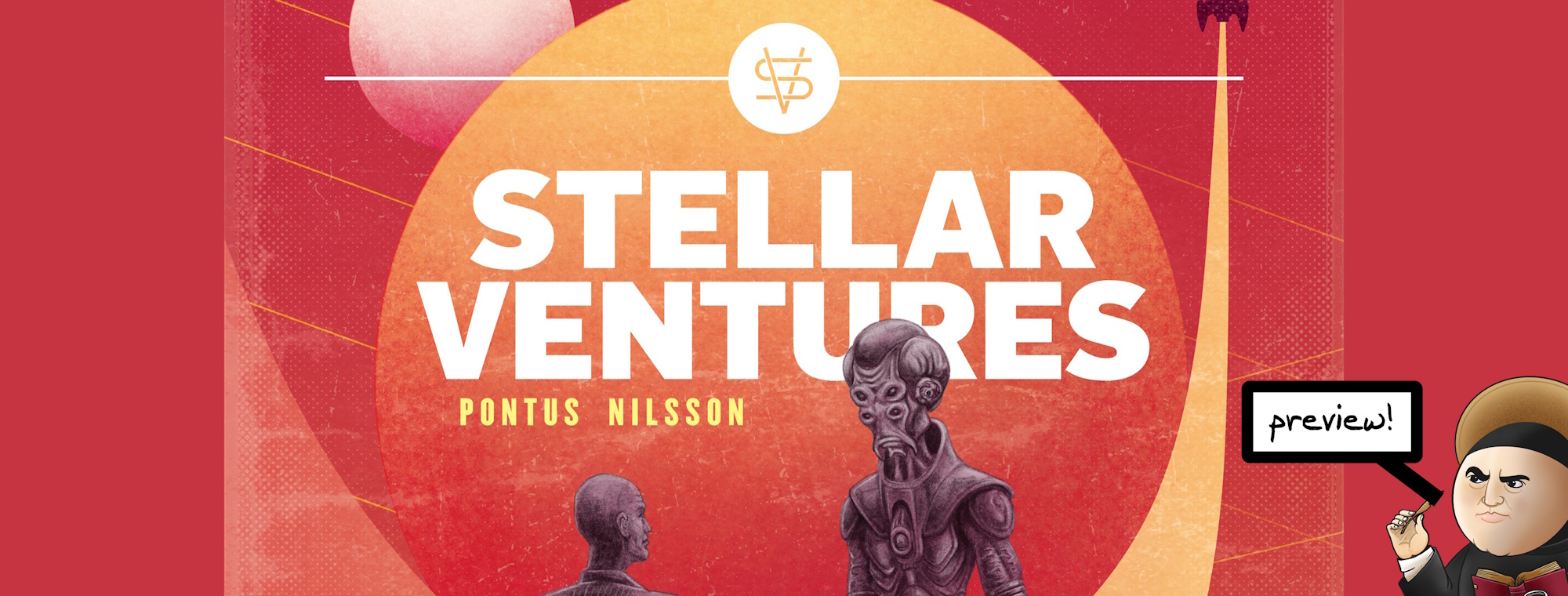
The forthcoming Stellar Ventures is nothing if not wildly ambitious. Its creator, Pontus Nilsson, has designed both cube rails and 18xx titles, and is now mashing those systems together — along with the faintest whiff of 4X space opera — into a game that sees joint-stock firms crisscrossing entire star systems with logistical networks.
Also, the space shuttles sometimes rust. Just in case you were wondering what you were getting into.
Cinema Skins
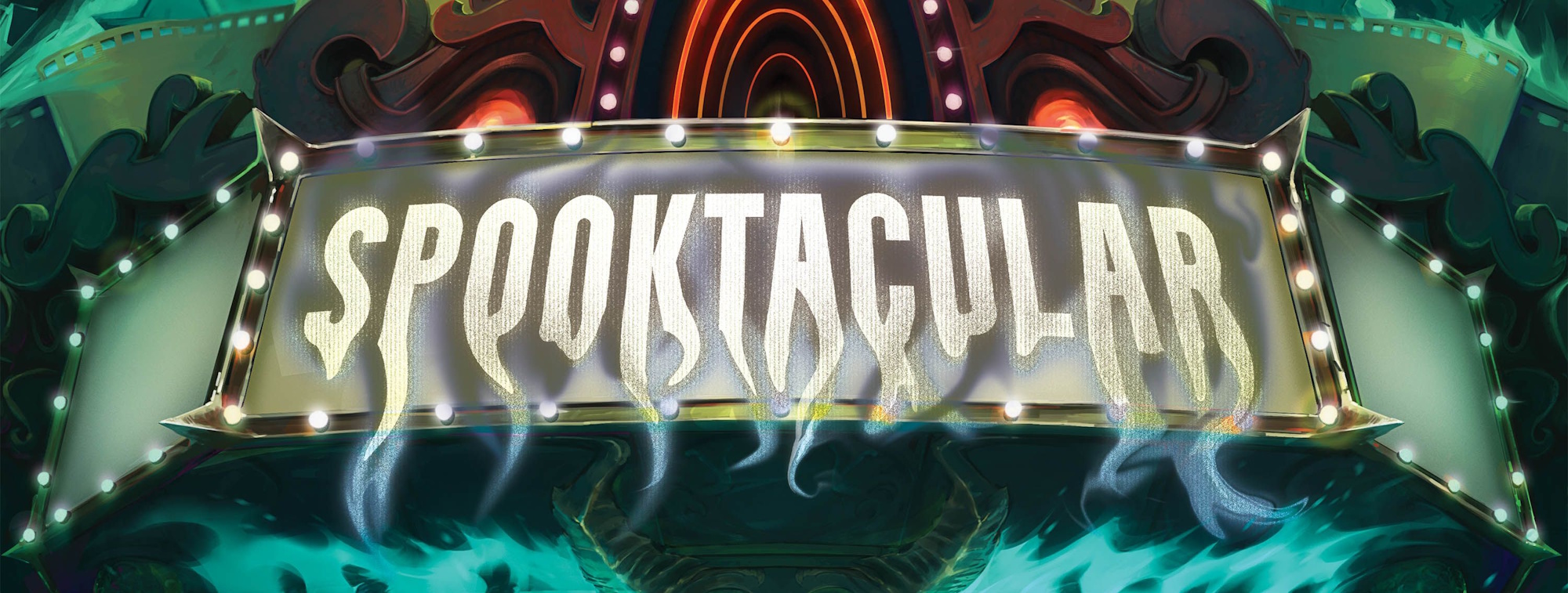
On an intellectual level, I understand it would be terrifying to attend a cinema where all the projections have pushed through the big screen to consume the moviegoers. But as an intellectual there’s some appeal to the prospect, because in preparation for such an occurrence I now only attend exhibitions of Brian De Palma’s erotic thrillers. Rawr.
Sadly, the mortals of Spooktacular were in attendance at a B-movie horror festival on Halloween night. Now they’ve been reduced to cheap theater snacks. And not the sexy kind of snacks.
I’d Like to Lodge a Complaint

Ahh… do you smell that in the air? That winter nip? That hint of woodsmoke? It’s the tangy scent of preview season, baby!
First on the list is Peter McPherson’s Lodge. Ever wanted to design a lodge? Now you can. Sorta.
Scratch & Sniffle

Now here’s something I haven’t seen before: a collection of six scratch-off board games designed by puzzle master Zach Barth. That’s a sentence that keeps getting more intriguing as it goes, especially after The Lucky Seven proved one of the most reliable single-deck solitaire games on my shelf.
What I didn’t expect was the smell. I don’t know how scratch-offs are made, especially scratch-offs as nice as the ones in this pack. These are hardly the state fair scratch-offs from my childhood. They still produce a royal mess — I’ve had to play with a little rubbish can next to the table — but that metallic scent has proven strangely addictive. Is this why people gamble away their life savings? Maybe I’d be tempted to do so as well, were the minigames in the state lottery this compelling. Let’s run through all six.
Cate’s Favorite Games of 2025
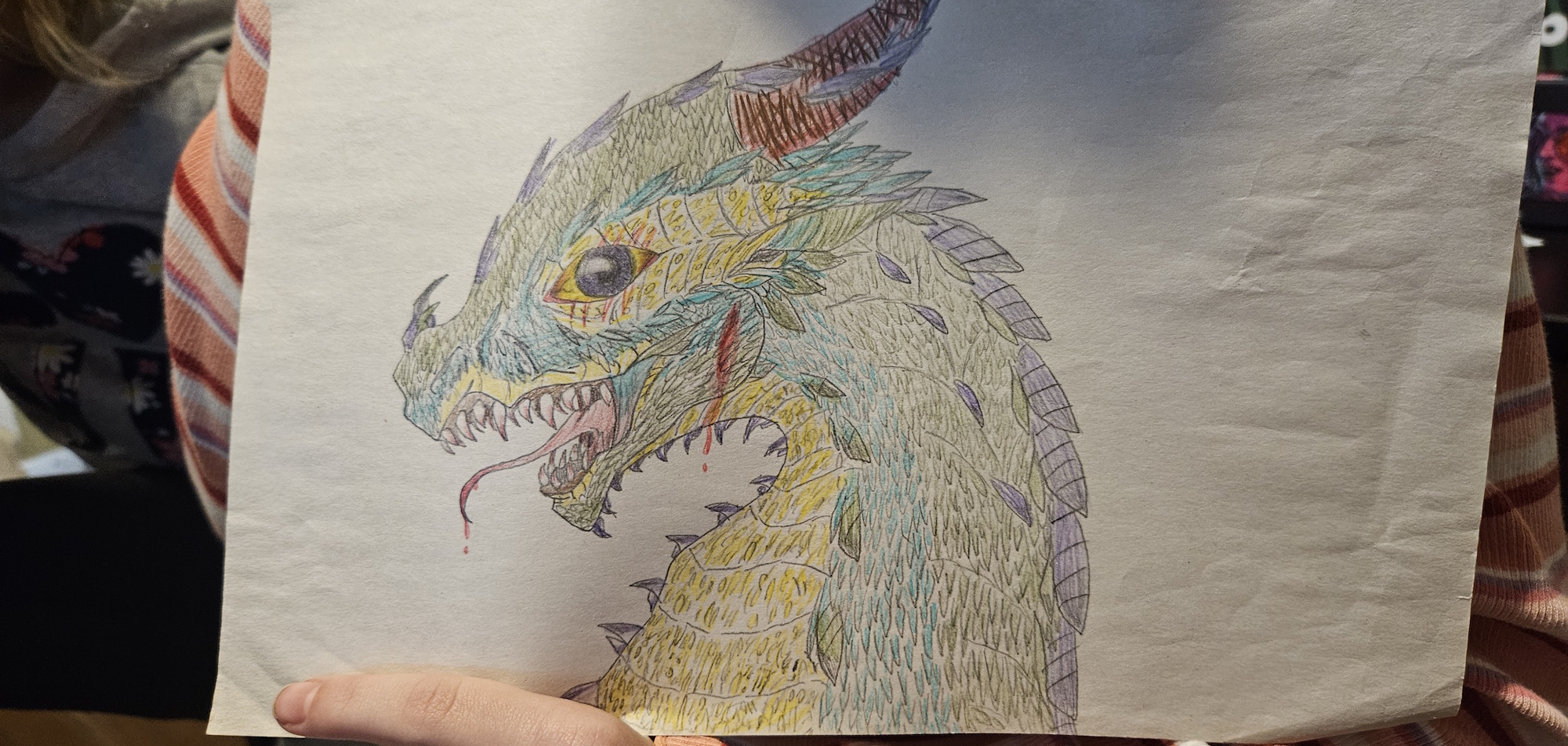
Hi! My name is Cate. This is my selection of my favorite ten games from last year.
Faith in Crisis/Transition/Expansion
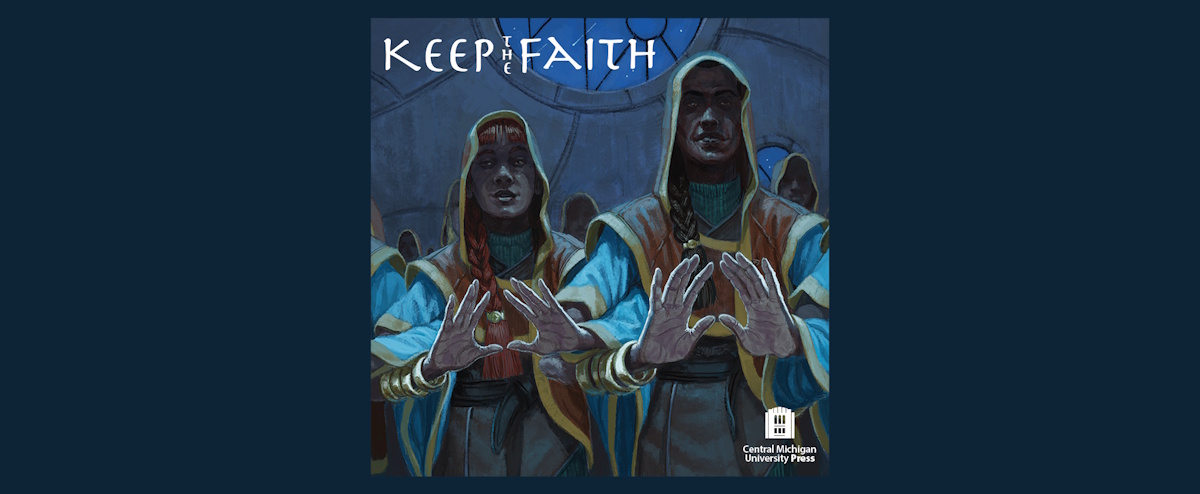
It’s hard, maybe impossible, to not put yourself into Keep the Faith, the latest board game by Greg Loring-Albright. Going in, I always tell myself the same thing. This time, I say, the religion I create is going to be something different from the one I grew up in, the one I’ve spent a lifetime studying, the one that got me to learn a bunch of old languages in order to prove its connection to a millennia-gone church only to accidentally disavow itself in the process. And then, like this opening paragraph, somehow I find myself circling back, like a star trapped in a slow orbit around a black hole, hydrogen distending into that event horizon.
Okay, so perhaps I have feelings. Surely that’s a sign that Keep the Faith is a success. But if that’s so, then why is it so difficult to write about? Why has it taken me seven hours to get this far?
Technically, It’s a Rigid Airship

Aaron Weissblum’s Celestia is one of those games I’ve wanted to play again, if only out of curiosity. Cloud 9, the title it reimplements, originally hit shelves way back in 1999, the toddler era for modern board games, and although I prefer more recent expressions of press-your-luck like Deep Sea Adventure or MLEM: Space Agency, there’s no denying that Celestia manages to feel distinct from its peers despite some significant similarities.
A Rather Whistful War

Fred Serval, one of wargaming’s great rabble-rousers, has a new game out. It might not sound like a new game, since I covered it a year and a halfish ago, but that was a convention freebie that required scissors and some buttons from your bottom drawer to play. A Very Civil Whist is now an actual game you can buy and play and push around, or maybe even press into service as a doorstop if that’s your thing.
I like it even more now than I did the first time.
No More Mr. Mice Guy
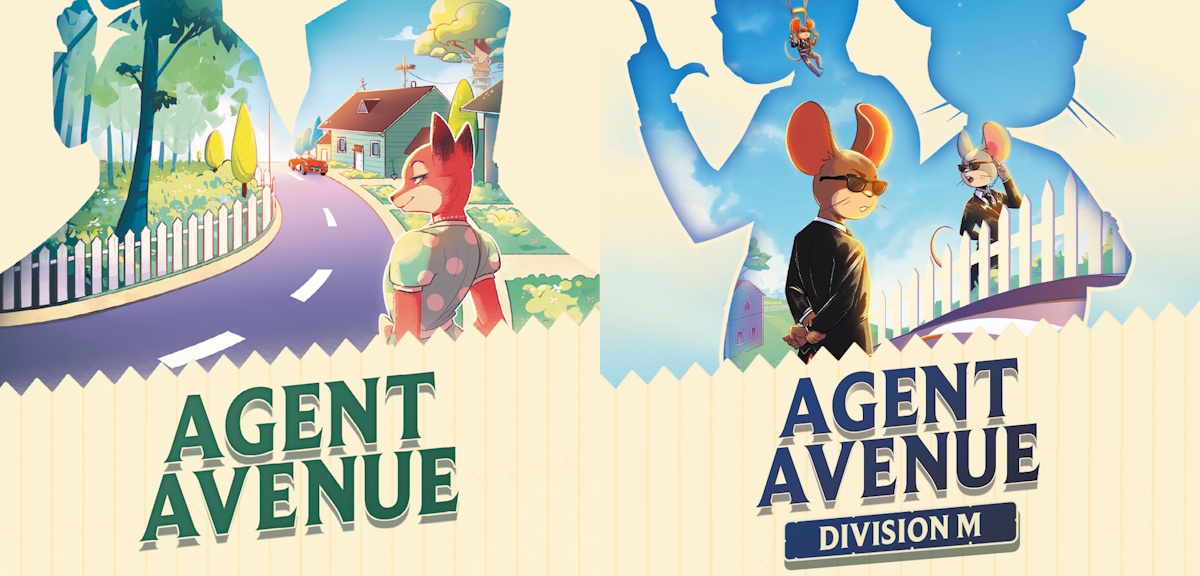
Sometimes one card makes all the difference. When I played Agent Avenue last year, I found it sharp but perhaps a millimeter thinner than I would like, resulting in an affinity for the four-player mode over the usual two-player duel. Now that I’ve added Division M to the mix, I can safely say the expansion functions like a shim under a chair’s mismatched leg.

 SPACE-BIFF!