Blog Archives
Sounds Swedish
I’m one of those nerds who insists that board games “get Star Trek right.” Just ask my reviews of Star Trek: Ascendancy, which offers a longue durée telling of the series’ civilizations, or even Star Trek: Super-Skill Pinball, with its emphasis on weird situations and problem-solving.
But it matters. Star Trek was the formative science fiction of my childhood. It was never as polished as Star Wars. Maybe more importantly, its collectible card game wasn’t nearly as interesting. But it was a series that celebrated doubt and skepticism rather than positing that its in-universe religion was the font of truth. In Star Wars, success was a question of believing hard enough. In Star Trek, it was a question of breaking down the problem into its constituent pieces and then working through them. For a kid grappling with existential questions in a culture that offered too many glib answers, Star Trek was a promise.
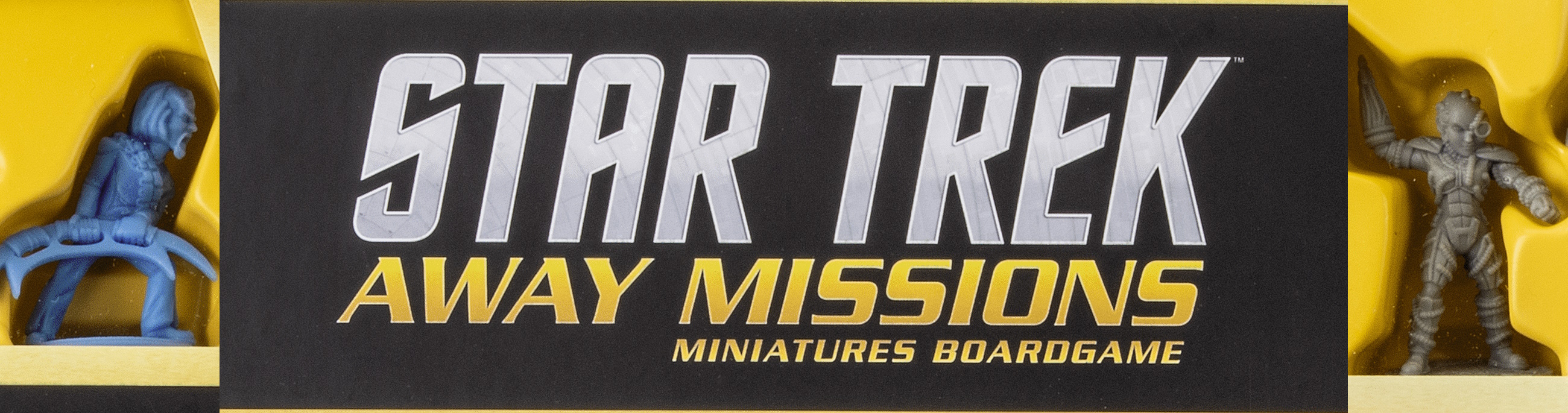
So when three sets of Star Trek: Away Missions appeared unbidden on my doorstep, I was skeptical. Hey, that’s the Star Trek way. Maybe I shouldn’t have been. Although Away Missions has plenty of problems, getting Star Trek right isn’t one of them.

 SPACE-BIFF!