Blog Archives
Wrex. Shepard.
What is there even to say about Mass Effect? It’s old. The final installment came out twelve years ago. Not counting Andromeda. Which we don’t around these parts.
But, sure, I’m a sucker for Commander Shepard, the Normandy, the whole goofball crew. I have a pile of opinions nobody cares to hear, fond memories of blasting through human supremacists and robot supremacists alike, even some suppressed affection for the Mako, that tumble car I rolled sideways down every mountain in the Armstrong Nebula.
Now Mass Effect is back as a board game. Why now, you ask, a dozen years after all the cosplayers were airbrushing themselves blue? Pffft, who cares. Designed by Eric Lang and Calvin Wong Tze Loon, Mass Effect: The Board Game — Priority: Hagalaz is one heck of a mouthful that I intend to never repeat. It’s effectively a generous side quest set during the third game’s galaxy-spanning war against the Reapers. And, some hiccups aside, it’s a nostalgic treat to see the gang back together for one more bash.
Man-Eating Review
Man-Eating House is a bit of a cryptid. Designed in 2016 by Kunihiko Tsuchiya, it did that thing where it appeared at Tokyo Game Market, generated some buzz, and then fled into hiding. Fortunately, it’s now getting a new edition courtesy of New Mill Industries. The remaining question is whether it’s a cool cryptid or one of those lanky goofball monsters that hides out of shame.
Pariahs Non Grata

It’s been a hot minute since we covered a title from John Clowdus, creator of Omen: A Reign of War, An Empty Throne, that historical trilogy from a couple years back, and so many others that listing them all would quickly make this sentence tiresome. Here’s the short version: almost nobody has been creating small-format games for as long or with such consistently impressive results as Clowdus.
His most recent game, Pariahs, is a perfect example. Set in an evocative pocket universe where future humans live in capsules and only occasionally grant permission for select members to carve their own path, Pariahs riffs on familiar ideas while being entirely unlike anything else out there. It’s small, it’s weird, it’s fantastic.
We Are All on Drugs
Everything I know about rock and roll, I learned from biopics. Now look, I’m a boring straight-edge, a real square, but watching Ray, Bohemian Rhapsody, Rocketman, Elvis, and Back to Black within the span of a year doesn’t give the, ah, healthiest impression of the career. So many young talents teetering on the brink of annihilation. Hopefully I’ve just missed all the wholesome ones.
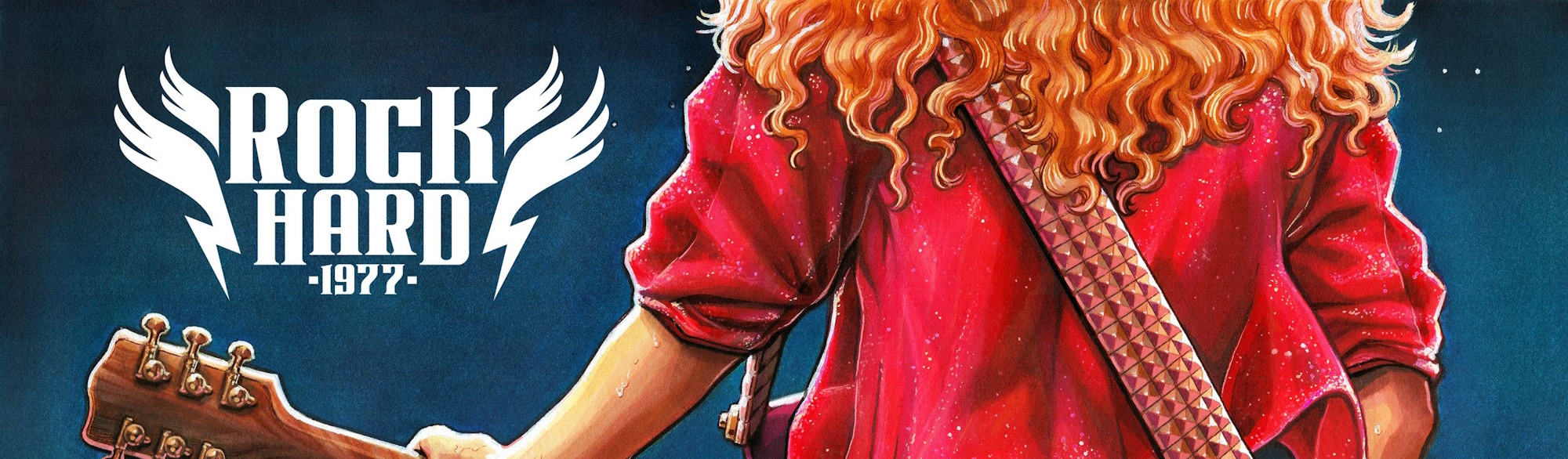
Or maybe it’s that perpetual teetering that ignites our admiration. If nothing else, Rock Hard: 1977 feels primed to make such a statement. Playing this game is like riding a rocket ship on a gravity-breaking trajectory, albeit with an awareness that some seal or bolt has been improperly fitted and will vaporize upon contact with the upper atmosphere. As a worker-placement game, it’s merely okay. But as an accelerant-soaked wick leading not to a candle but to a firecracker, it hits many of the right notes.
I Need an Adult
The first time I played The Game of Life — yes, the one from the 1960s with the spinner that went up to ten and the gender-coded pegs in the cars — I loved it. No kidding. I was pretty young, maybe twenty-six or twenty-seven (okay, I was twelve), and it was one of the first non-abstract board games I’d ever tried. I immediately asked for a copy for my thirteenth birthday.
And then I played it again. To this day, I’ve played The Game of Life exactly twice. To use a word I normally don’t like very much, that second play was just so boring. The spinner had lost its novelty, my little car beep-beeped through the exact same story beats, and one player sped to the end and had to sit around for half an hour while everybody else caught up.
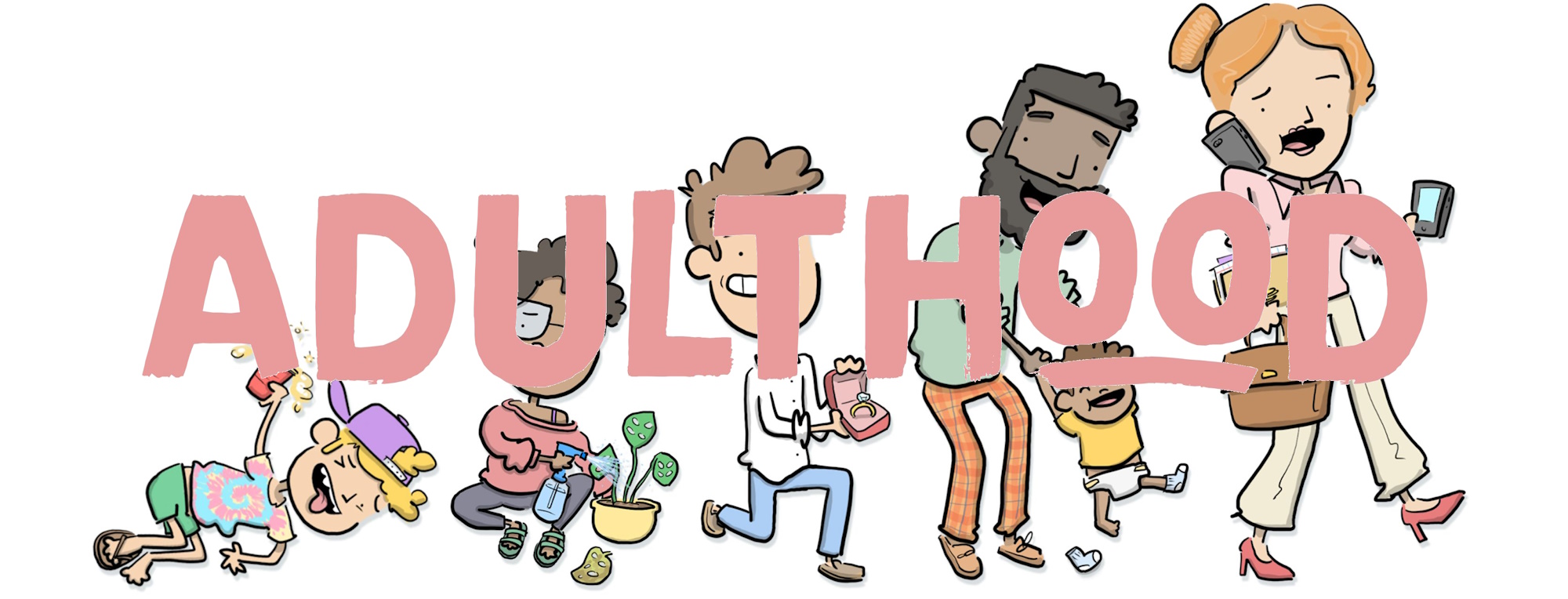
Johnny O’Neal’s Adulthood reminds me a bit of The Game of Life. Don’t get me wrong, it’s the better game of the two by at least a dozen country miles. There’s no spinner, but what the game loses in toy factor it makes up for in almost every other regard. Still, though, playing Adulthood raises some of the same thoughts dredged out of twelve-year-old Dan. Namely: Is this really what adulthood is like?
Float or Flounder
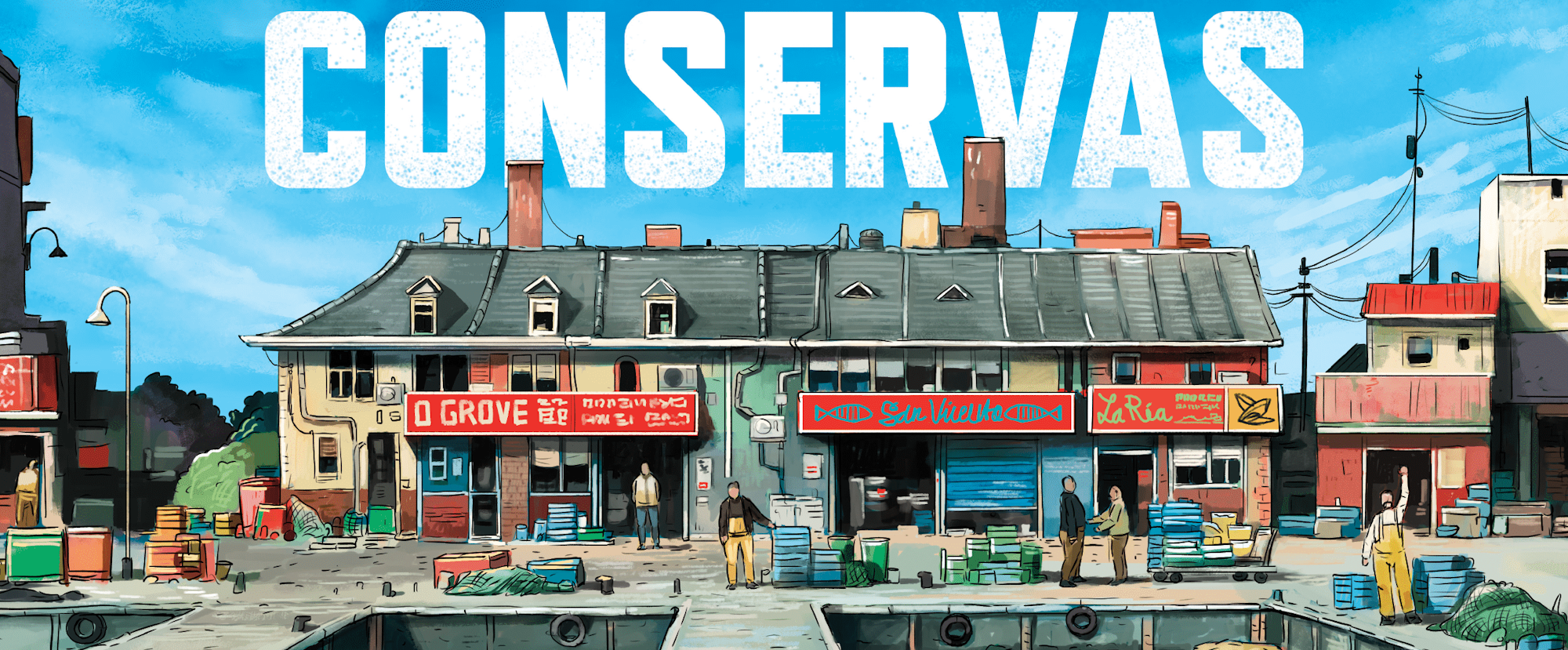
Tinned fish! Potted pulpo! I know so little about conservas that I can’t tell whether it’s a staple or a delicacy. In Scott Almes’ hands, it’s more of a double-edged pun, both a commercial enterprise and a matter of survival. In this solitaire game, you take on the role of a tinning factory. Your goal is to land and sell conservas — but not so much that you overfish the sea and leave yourself unable to operate next season. As such, there’s a delicate balance to be struck between your needs right now and the promise that tomorrow can be just as rich as today.
Breaking Mythwind
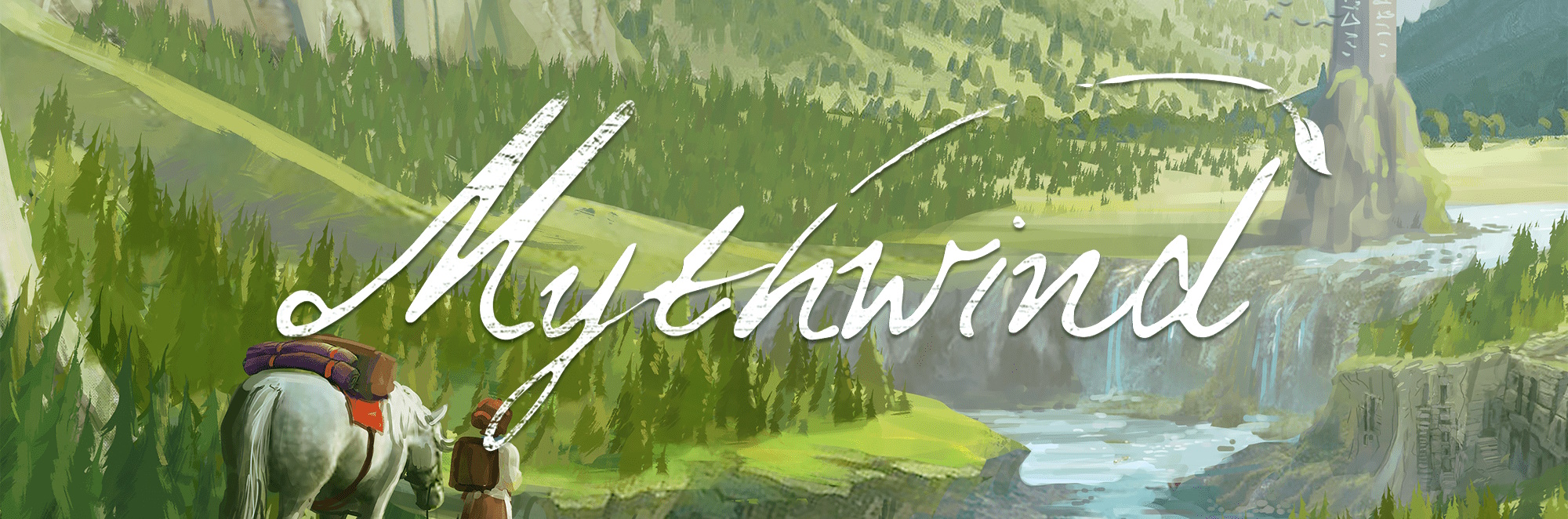
I like an ambitious game. Maybe it’s my abiding soft spot for Teddy Roosevelt’s Man in the Arena, despite some of the worst people you’ve ever met quoting the thing to deflect criticism, or maybe it’s my never-ending hunger for novelty. Either way, a board game that tries something different is bound to attract my attention. Even when that board game decides to get dressed by looping its underpants around its shoulders.
Mythwind, designed by Nathan Lige and Brendan McCaskell, certainly fulfills in the ambition department. To various degrees, it also does the underpants-as-pauldrons thing.
Non Eventu
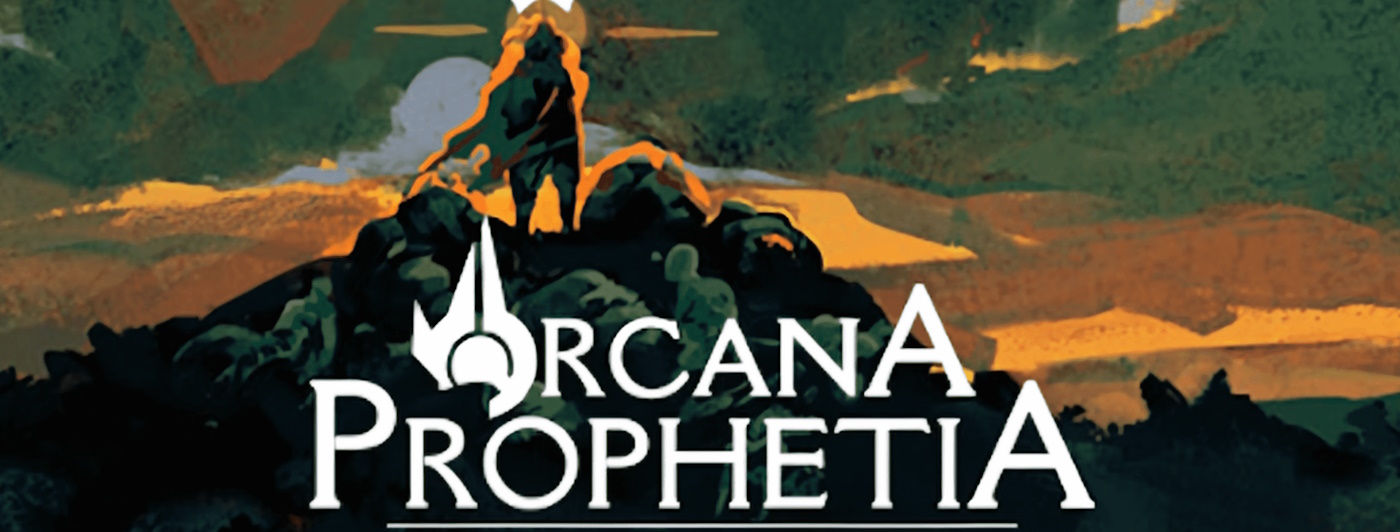
Prophecy is tricky. In critical theory, huge quantities of recorded prophecy fall under the category of vaticinium ex eventu, “prophecy after the event,” which is a fancy way of saying somebody jotted down some historical events in a book but pretended it was written before those events occurred. Uncovering ex eventu prophecy is a useful method for dating a document. The trick is to look for the watershed moment when the prophecy switches from accurate to nonsensical. Voila: you’ve uncovered the instant the author stopped relating history and started penning revenge fiction. For two stellar examples, see the Christopher Columbus stuff from the Book of Mormon or the politicking diadochi of the Book of Daniel.
Arcana Prophetia is all about prophecy. The supposedly real stuff, not the ex eventu kind. Designed by the same team that gave us the imperfect but gentle Kawa, this is a gorgeous production that takes cues from tarot decks and splays to weave a story about old and new gods clashing over competing visions of destiny. Metal.
Understanding the Obsession

The first and only time I had played Dan Hallagan’s Obsession was shortly after its release in 2018. At the time, I regarded it warily. The Eurogame model has produced a net positive for board games as a whole, but like all genres it comes with its own inbuilt limitations, and Obsession struck me as overly shackled by the model’s conventions. Specifically, that Eurogame tendency to flatten everything to a grocery list of scoring categories and an airiness in what we label “theme,” a quirk of wording unfortunately particular to our medium that betrays a suspicion that board games are closer to amusement parks than novels. Like many Eurogames, Obsession seemed to excel at setting while missing what would constitute thematic import in any other medium. Full of “theme,” low on theme.
But Obsession endured. Oh, how it endured. On BoardGameGeek, it’s currently rated as the sixtieth best board game of all time. Thirteen thousand people have rated it. A steady schedule of expansions have rounded out the experience, including a few that have taken direct stabs at some of my original nitpicks with the design.
More than that, a fellow scholar insisted that it deserved another look. In both of our fields — him as a literature guy, me as a historian — there’s a concept called reception theory, a method for investigating a work of art on the basis of its interaction with audiences over time, as opposed to focusing on authorial intent or critical reading. So I took a step back. Why was this game so popular? How was it speaking to people? I agreed to try to understand the obsession with Obsession.
Biomoseying Along
Gricha German’s Biomos is a game with an important point on its mind. Could have fooled me. Let me propose a rule: if you intend for your game to make an important point, consider leveraging the medium’s unique strengths rather than squirreling that point away in the back of the rulebook. To be sure, the point is a sobering one that deserves widespread attention: over the past half-century, our planet has witnessed a 70% decline in monitored wild animal populations. That’s hard to fathom. If only somebody had modeled it in, say, a board game so we could visualize such a catastrophe.
Instead, Biomos moves in almost the exact opposite direction. You are a planet attempting to gather disparate biomes in order to sustain life. Even as a plaything with nothing on its mind but the accumulation of victory points, it fumbles the essentials.

 SPACE-BIFF!